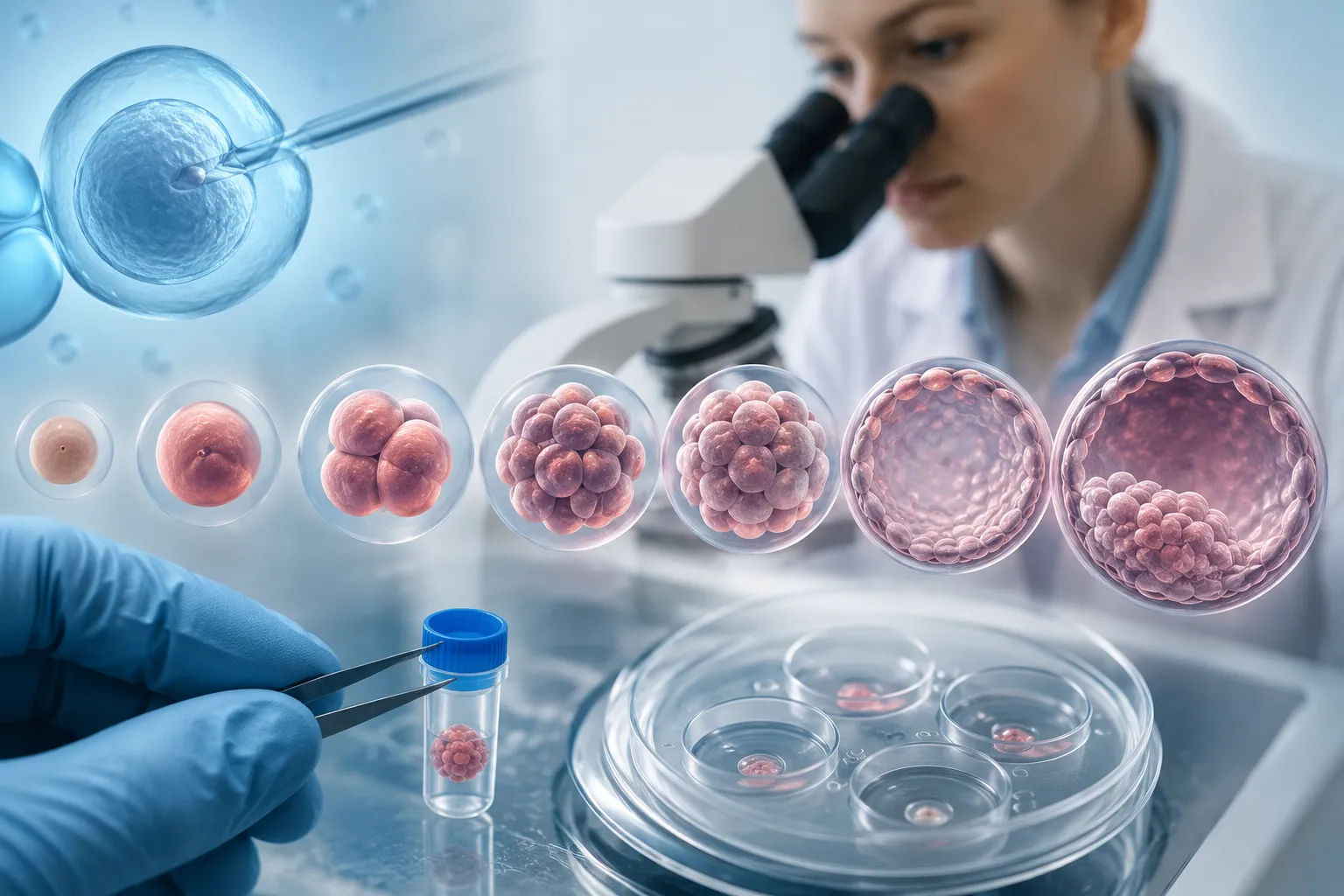




Many individuals and couples who dream of having children are now turning to assisted reproductive technologies (ART) to fulfill that goal. In in-vitro fertilization (IVF) treatments, if a woman has poor ovarian function, low egg quality, or is unable to ovulate or carry a pregnancy, egg donation may be necessary to achieve fertilization and pregnancy.
When considering egg donation as part of a fertility plan, compensation is an important factor for many individuals and couples deciding whether to pursue treatment domestically or abroad. Taiwan and the United States differ greatly in their legal frameworks, donor eligibility, and compensation standards. Understanding these differences helps in making informed and financially sound decisions for achieving parenthood.
Table of Contents
Why Is Egg Donation Needed in IVF?
How Is It Different from Artificial Insemination (IUI)?
With advances in reproductive medicine, more couples facing infertility are turning to assisted reproductive technology to help them conceive. When a woman’s ovarian function declines, egg quality drops, or chromosomal abnormalities prevent healthy egg development, donor eggs can significantly improve IVF success rates.
However, “assisted reproduction” and “artificial insemination” are often confused, though they represent different approaches. The following explains their differences clearly:
What Is Assisted Reproductive Technology (ART)?
Assisted Reproductive Technology (ART) is a broad term encompassing all medical procedures that help infertile couples conceive. It includes both intrauterine insemination (IUI) and in-vitro fertilization (IVF).
These methods are suitable for individuals or couples with conditions such as ovulation disorders, sperm motility issues, blocked fallopian tubes, or other infertility factors.
Differences Between Artificial Insemination (IUI) and In-Vitro Fertilization (IVF)
Intrauterine insemination (IUI), commonly known as artificial insemination, and in vitro fertilization (IVF) are two different methods of assisted reproductive technology. The main differences lie in how fertilization occurs and which patient groups they are suitable for.
| Differences Between | Artificial Insemination (IUI) | andIn-Vitro cesFertilization (IVF) |
|---|---|---|
| Fertilization Method | Sperm is washed, filtered, and then placed directly into the woman’s uterus using ultrasound guidance, allowing sperm to meet the egg naturally inside the body. | Eggs and sperm are retrieved and fertilized in a laboratory. The resulting embryos are cultured for 3–5 days before being transferred into the uterus (either fresh or frozen for later transfer). |
| Success Rate | Around 10–20% | Around 30–70%, depending on age and egg quality. |
| Ideal Candidates | Mild infertility cases — such as low sperm motility, irregular ovulation, or cervical mucus abnormalities. | More complex cases — such as blocked fallopian tubes, severe male infertility, repeated IUI failure, diminished ovarian reserve, or patients requiring donor eggs or sperm. |
| Procedure Overview | The woman takes ovulation-inducing medication, and sperm is collected and inserted into the uterus during ovulation. | The woman undergoes ovarian stimulation, egg retrieval, fertilization in the lab, embryo culture, and embryo transfer. Donor eggs may be used if the woman’s eggs are insufficient or poor in quality. |
Assisted Reproduction vs. Artificial Insemination: A Simple Overview
- Intrauterine Insemination (IUI) is a fertility treatment in which sperm and egg fertilization occurs naturally inside the woman’s body. It is typically suitable for milder cases of infertility.
- Intrauterine Insemination (IUI) is a fertility treatment in which fertilization occurs naturally inside the woman’s body, allowing the sperm and egg to combine on their own. It is suitable for milder infertility cases.
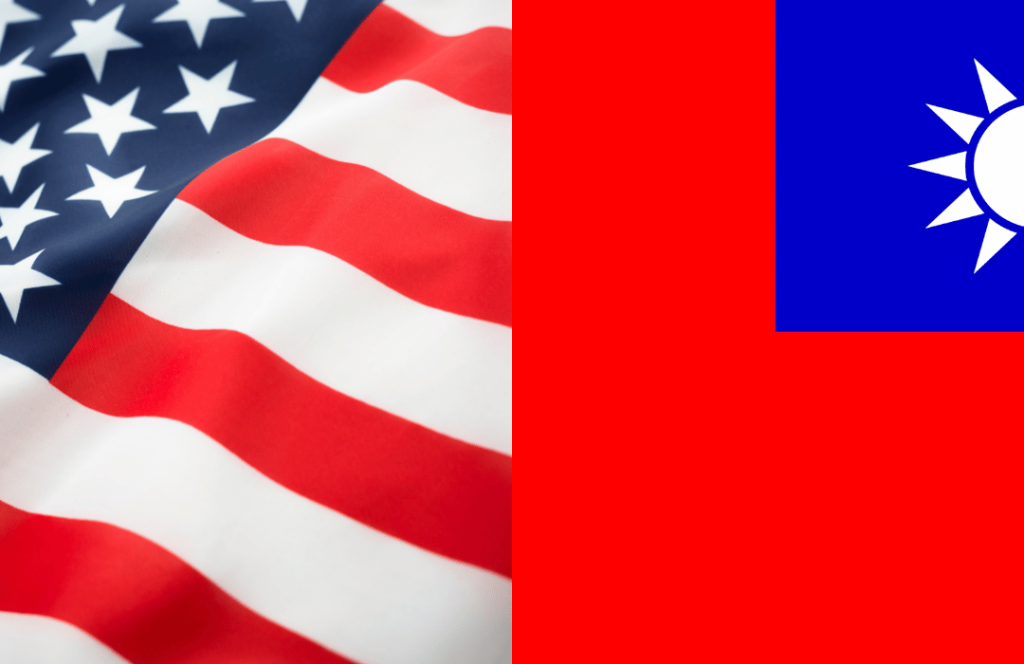
Egg Donation Compensation Under the Assisted Reproduction Act: How Much Do Taiwan and the U.S. Differ?
When considering egg donation as part of a fertility plan, compensation is an important factor for many individuals and couples deciding whether to pursue treatment domestically or abroad. Taiwan and the United States differ greatly in their legal frameworks, donor eligibility, and compensation standards. Understanding these differences helps in making informed and financially sound decisions for achieving parenthood.
Egg Donation Compensation in Taiwan
- Compensation Range:
The maximum allowance under Taiwanese law is NT$99,000. - Influencing Factors:
The amount does not vary based on personal attributes such as education, appearance, or ethnicity. It primarily reflects the actual time and inconvenience involved in the process. - Legal Basis:
The Assisted Reproduction Act prohibits commercial egg donation or any form of monetary inducement, ensuring that all donations remain ethical and voluntary.
Egg Donation Compensation in the United States
In contrast, the United States has a more service-based and market-driven approach. Egg donation is considered a professional service, and donors receive compensation rather than an allowance. As a result, U.S. compensation levels are significantly higher.
- Compensation Range:
Typically between USD 7,000 and USD 25,000, and in some cases exceeding USD 30,000.
- Influencing Factors:Donor profile: Education, appearance, height, weight, ethnicity, and genetic health.
Donation experience: Repeat donors with proven success often earn higher compensation.
Location: Living costs and demand differ by state. - Additional reimbursements: May include medical testing, medication, airfare, transportation, and lodging.
Egg Donation Compensation in Other Asian Countries (China, Thailand, Japan)
- Compensation Range:
Usually between RMB 60,000 and 150,000 (approximately USD 8,000–20,000). - Influencing Factors:Donor profile: Education, appearance, health, and egg quality. Experience: Donors who have produced more mature eggs in past cycles often receive higher pay. Location: Local living costs and demand affect compensation. Additional reimbursements: Travel, lodging, medication, and testing are usually included.
- Additional reimbursements: Travel, lodging, medication, and testing are usually included.
Comparison: Taiwan vs. United States vs. Other Asian Countries
Whether you are a family seeking pregnancy through egg donation or someone considering becoming an egg donor, it is important to fully understand the relevant regulations and procedures in both regions in order to make the best decision.
The following section provides a detailed comparison of the egg donation processes and requirements in Taiwan and the United States, helping you gain the most practical and useful information.

Egg Donation Process and Requirements in Taiwan
In Taiwan, egg donation is regulated under the Assisted Reproduction Act. Both donors and recipients must undergo a series of health checks, including blood tests, genetic screenings, and fertility evaluations.
- Eligibility Review: Donors must be between 20 and 40 years old and pass qualification assessments at a licensed fertility center.
- Health Examination: Includes blood tests, genetic disorder screening, and reproductive function evaluation.
- Consent Form: Donors must sign a consent form confirming that the donation is voluntary and that they understand the potential risks involved.
- Ovarian Stimulation and Egg Retrieval: Donors receive hormonal injections to stimulate follicle growth. Once the eggs mature, retrieval is performed through a minor surgical procedure.
- Anonymous Matching and Embryo Transfer: Recipients undergo embryo culture and implantation through a fertility center. The entire process remains anonymous, and neither party receives identifying information about the other.
Egg Donation Process and Requirements in the United States
- Application and Screening: Donors must be between 20 and 30 years old and complete health and genetic history forms.
- Health and Genetic Testing: Comprehensive medical exams and genetic screenings are required. Some clinics may also request IQ tests or psychological evaluations.
- Ovarian Stimulation and Egg Retrieval: Similar to Taiwan, donors typically stay in the U.S. for 14–16 days to undergo hormone injections before egg retrieval.
- Ovarian Stimulation and Egg Retrieval: Similar to Taiwan, donors typically stay in the U.S. for 14–16 days to undergo hormone injections before egg retrieval.
Egg Donation Process and Requirements in Other Asian Countries
- Application and Screening: Donors must be between 20 and 30 years old and submit detailed health and genetic histories.
- Medical and Genetic Testing: On the third day of the menstrual cycle, donors undergo an ultrasound and hormone blood tests. Additional testing includes genetic screening, chromosomal analysis, infectious disease testing, and drug screening. Some clinics may require IQ or psychological assessments.
- Ovarian Stimulation and Egg Retrieval: As in Taiwan, donors stay locally for 14–16 days to receive hormone injections before egg retrieval.
- ertilization and Embryo Transfer: Eggs and sperm are fertilized on the same day. Depending on the recipient’s condition, embryos may be transferred fresh or frozen for later implantation.
Choosing Between Taiwan, the U.S., or Other Asian Countries for Donor-Egg IVF
When pursuing assisted reproduction, the egg donation systems, legal frameworks, donor selection options, and compensation levels vary significantly between Taiwan, the U.S., and other Asian countries.
Evaluating these factors carefully is essential for couples seeking the most suitable and secure path toward fulfilling their parenthood dreams through assisted reproduction.

How to Choose Egg Donation: Taiwan vs. the United States
- Budget-conscious:
Ideal for those seeking to reduce IVF expenses, as costs are significantly lower. Taiwan’s system does not allow choosing donors based on appearance or background. - Prefer anonymous donation:
Taiwan’s laws strictly enforce donor anonymity, minimizing legal or parental rights disputes. - No specific donor requirements:
Suitable for couples who do not prioritize donor education, ethnicity, or appearance. - Comfort with local environment:
Enables treatment in a familiar language and culture, making communication with doctors more convenient.
- Desire to choose the ideal donor:
Donors can be selected based on ethnicity, education, appearance, and genetic health. - Willing to invest more:
Although IVF and donor compensation costs are higher in the U.S., the system offers greater flexibility and choice. - Open to ongoing contact:
The U.S. allows non-anonymous egg donation, giving parents the option to maintain contact or disclose the donor’s identity to their child in the future. - Seeking higher success rates:
Many American fertility centers provide advanced genetic testing (PGT-A/PGT-M), improving embryo selection accuracy and increasing pregnancy success rates.
- Limited time availability:
For couples unable to travel to the U.S., nearby Asian countries such as Thailand offer modern fertility technologies, lower costs, and shorter stays — typically only 1–3 days. - Reasonable cost:
Overall expenses are much lower than in the U.S. - Simplified visa process and donor options:
Most Asian countries do not require special medical visas. Donors can be selected based on education, height, and facial features. - Online verification for authenticity:To ensure transparency, many intended parents request live video interviews with donors to verify their identity, as some agencies may use edited or enhanced photos and videos.
- Cultural familiarity:
Couples can undergo treatment in a language and cultural environment they are comfortable with, ensuring smoother communication and care.
Your Trusted Partner in Egg Donation —Global Egg Donor
If you’re considering donor-egg IVF but unsure whether to pursue it in Taiwan, the U.S., or another Asian country, Luan Ai offers professional and legally compliant egg donation matching services.
From helping you select high-quality donors to arranging a safe and transparent fertility treatment plan, our expert team provides personalized guidance, quick communication, and reliable follow-up throughout the entire process.
We’re dedicated to helping you find the most suitable reproductive solution — bringing you one step closer to the joy of parenthood.

Egg Donation Compensation – Quick FAQ
Q:If you plan to use a donor in the United States, what should you consider besides the donor compensation?
When pursuing IVF in the United States, in addition to donor compensation, there are several key factors to evaluate carefully:
First, U.S. reproductive regulations are relatively flexible, but laws vary by state. Choosing a licensed, compliant clinic or agency is crucial to protect your rights and ensure the baby’s legal status.
Second, the donor-egg process involves donor health screening, genetic testing, fertilization, and embryo transfer. Intended parents should understand the overall timeline, medical risks, and success rates. Language and cultural differences may affect communication, so selecting an organization with extensive international experience can make the process smoother.
In addition, traveling to the U.S. for donor-egg treatment requires considering extra costs such as visas, airfare, accommodation, and local medical expenses, as well as ensuring sufficient time and resources to complete the treatment. Finally, consult professionals to understand the legal recognition of donor-egg procedures in the U.S. and the required documentation, so that birth registration can be completed smoothly after returning home.