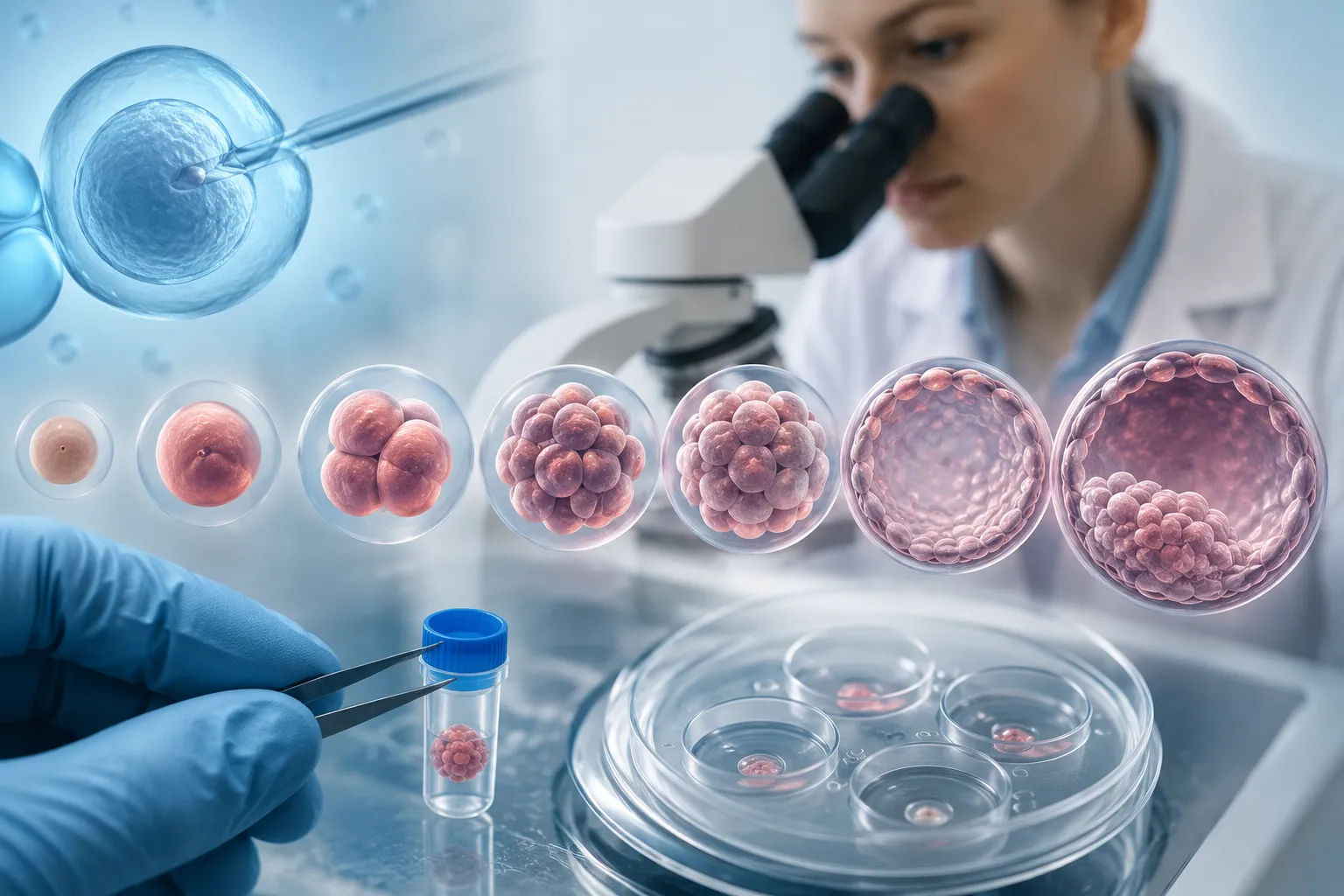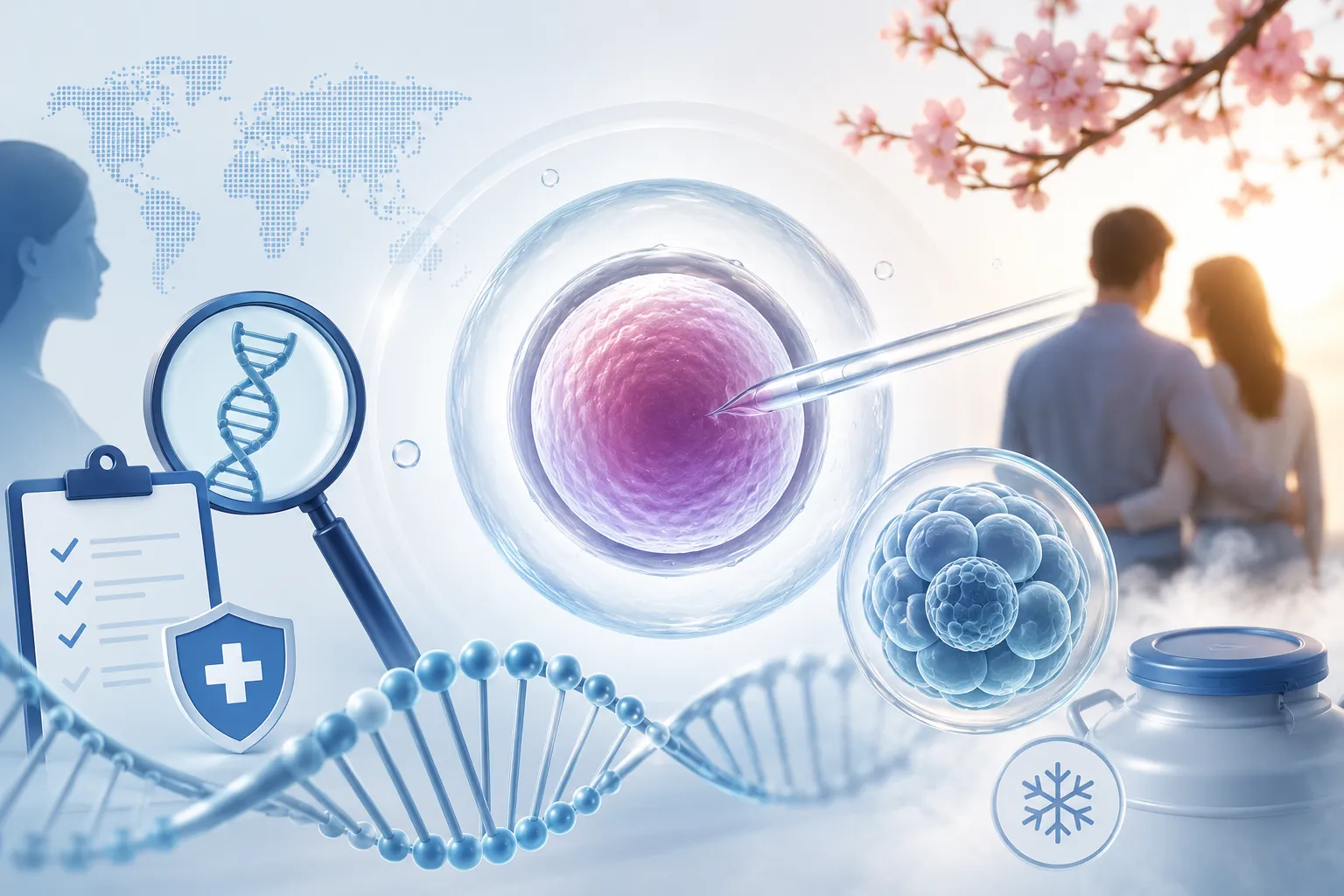



Experiencing multiple failed IVF cycles can be emotionally and physically overwhelming, especially for women of advanced maternal age. As egg quality naturally declines with age, many intended parents begin to wonder when to switch to egg donation after failed IVF and whether donor eggs can improve their chances of having a healthy baby. This guide explains why IVF success rates decrease over time, the advanced maternal age IVF success rate with donor eggs, and how to determine your donor egg IVF emotional readiness. Whether you’re considering your next fertility treatment or exploring egg donation for the first time, this comprehensive guide will help you make an informed and confident decision.
Table of Contents

Understanding Why IVF Success Declines with Age
As women get older, it becomes more difficult to achieve a successful pregnancy through IVF using their own eggs. While every fertility journey is different, age remains one of the most important factors affecting egg quality, embryo development, and pregnancy outcomes. This is why many fertility specialists discuss alternative options, such as egg donation, after repeated IVF failures—particularly for women over the age of 35 or 40.
Understanding how age affects fertility can help you make informed decisions about your treatment options and know when it may be time to consider donor egg IVF.
How Egg Quality Changes After Age 35
Women are born with all the eggs they will ever have. As the years pass, both the number and quality of these eggs naturally decline. While fertility generally begins to decrease after age 35, the decline becomes more noticeable after age 40.
Lower egg quality means:
- Fewer healthy eggs available during each IVF cycle.
- A lower chance of producing high-quality embryos.
- Reduced implantation rates.
- An increased risk of miscarriage.
Even if ovarian reserve tests such as AMH or AFC show a reasonable number of eggs, the quality of those eggs may still be the biggest factor affecting IVF success.
Why Chromosomal Abnormalities Increase
As eggs age, they are more likely to develop chromosomal abnormalities, a condition known as aneuploidy. Healthy embryos require the correct number of chromosomes to grow and develop normally. When an embryo has too many or too few chromosomes, it may fail to implant, result in an early miscarriage, or lead to certain genetic conditions.
The likelihood of chromosomal abnormalities increases with maternal age, which is one of the main reasons IVF success rates decline for women in their late 30s and 40s. Even when fertilization occurs, many embryos may not develop into healthy pregnancies because of these genetic changes.
This is why fertility specialists often recommend genetic testing of embryos (PGT-A) or discuss donor eggs for patients who have experienced multiple unsuccessful IVF cycles.
What "Advanced Maternal Age" Means for Fertility
Advanced maternal age (AMA) is the medical term used to describe a pregnancy at age 35 or older. Although many women conceive naturally or through fertility treatment after 35, advancing age is associated with lower fertility and higher pregnancy risks.
Women of advanced maternal age may experience:
- Reduced ovarian reserve and egg quality.
- Lower IVF success rates using their own eggs.
- Higher rates of miscarriage.
- Increased risk of chromosomal abnormalities.
- A greater likelihood of requiring donor egg IVF to achieve pregnancy.
Being diagnosed with advanced maternal age does not mean pregnancy is impossible. It simply means that fertility treatment may require a different approach. For many intended parents, using healthy donor eggs significantly increases the chances of creating viable embryos and achieving a successful pregnancy.
Understanding the impact of age on fertility is an important first step in deciding whether to continue IVF with your own eggs or explore egg donation as the next stage of your fertility journey.
🌟 Quick Fact
📊 Women are born with all the eggs they will ever have. As women age—especially after 35—both the number and quality of eggs decline, increasing the risk of chromosomal abnormalities and reducing the chances of a successful IVF pregnancy. While IVF can help overcome many fertility challenges, it cannot fully reverse the natural effects of egg aging.
Further Reading: American Society for Reproductive Medicine (ASRM) – Age and Fertility

How Many IVF Cycles Should You Try Before Considering Egg Donation?
There is no single number of IVF cycles that is right for everyone. The decision depends on several factors, including your age, egg quality, ovarian reserve, embryo quality, previous pregnancy history, and the reason your IVF cycles were unsuccessful.
For women under 35 with a good ovarian reserve, fertility specialists may recommend trying several IVF cycles before exploring other options. However, for women of advanced maternal age—especially those over 40—the chances of success using their own eggs decline significantly with each passing year. In these situations, continuing multiple IVF cycles may offer limited benefit if poor egg quality is the main cause of repeated failure.
Instead of focusing only on the number of IVF attempts, it’s more important to understand why previous cycles failed and whether another cycle is likely to improve the outcome.
When to Switch to Egg Donation After Failed IVF
Knowing when to switch to egg donation after failed IVF is one of the most difficult decisions intended parents face. While there is no universal timeline, many fertility specialists recommend discussing donor eggs when repeated IVF cycles have not resulted in healthy embryos or a successful pregnancy.
You may want to consider egg donation if you:
- Are 40 or older and have experienced multiple failed IVF cycles.
- Have poor egg quality despite ovarian stimulation.
- Produce very few mature eggs during IVF treatment.
- Have repeated implantation failure with good-quality embryos.
- Have experienced recurrent miscarriages related to chromosomal abnormalities.
- Have a significantly diminished ovarian reserve.
- Have been advised by your fertility specialist that the chances of success with your own eggs are very low.
Choosing donor eggs is not about giving up. For many intended parents, it is the next medical step that offers a much higher chance of achieving a healthy pregnancy.
Signs That Another IVF Cycle May Have Low Chances of Success
Not every unsuccessful IVF cycle means you should stop treatment. However, certain clinical findings may indicate that repeating the same approach is unlikely to produce a different result.
Common signs include:
- Consistently low egg retrieval despite stimulation.
- Poor fertilization rates.
- Few or no blastocyst-stage embryos.
- Multiple embryos testing abnormal through PGT-A.
- Several failed embryo transfers without implantation.
- Recurrent pregnancy loss caused by chromosomal abnormalities.
- Very low AMH levels combined with a low antral follicle count (AFC).
- Your fertility specialist recommends considering donor eggs based on your medical history.
Reviewing these factors with your fertility team can help determine whether changing your treatment strategy may offer better chances of success.
Questions to Ask Your Fertility Specialist
Before deciding whether to continue IVF with your own eggs or move forward with donor egg IVF, schedule an open discussion with your fertility specialist. Asking the right questions can help you understand your prognosis and choose the treatment that best fits your goals.
Consider asking:
- What caused my previous IVF cycles to fail?
- Is egg quality likely to be the main issue?
- What are my chances of success if I try another IVF cycle with my own eggs?
- Would additional testing help identify the cause of repeated failures?
- How does my age affect my chances of pregnancy?
- What is the expected success rate with donor eggs in my situation?
- Would donor egg IVF give me a better chance of having a healthy baby?
- What should I expect during the donor egg IVF process?
Having these conversations early can save valuable time, reduce emotional stress, and help you make a well-informed decision about the next step in your fertility journey.
Why Repeated IVF Failures Happen
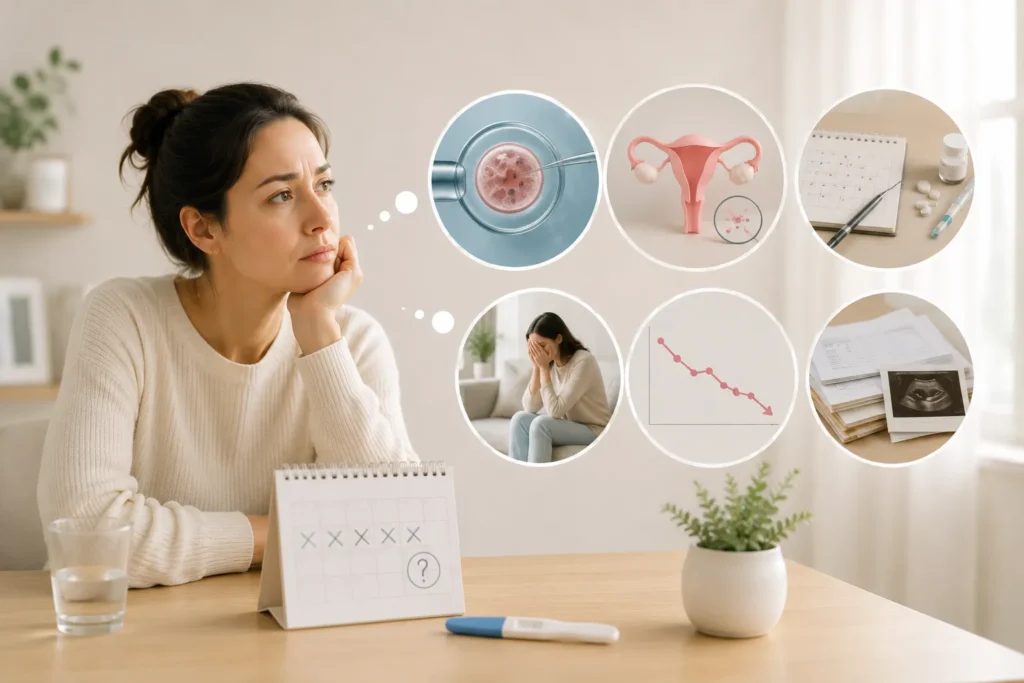
Experiencing one failed IVF cycle does not necessarily mean future treatment will be unsuccessful. However, repeated IVF failures may indicate an underlying issue that needs to be identified before continuing with another cycle. Common factors include poor egg quality, diminished ovarian reserve, embryo development problems, and implantation difficulties.
Understanding the reason behind unsuccessful IVF cycles allows you and your fertility specialist to determine whether adjusting your treatment plan—or considering donor egg IVF—may offer a better chance of success.
Poor Egg Quality
Poor egg quality is one of the leading causes of IVF failure, particularly in women over the age of 35. Healthy eggs are essential for creating embryos that can develop normally and implant successfully.
As women age, eggs are more likely to have chromosomal abnormalities, making fertilization, embryo development, and pregnancy more difficult. Even if multiple eggs are retrieved during IVF, not all will be mature or capable of developing into healthy embryos.
Signs that poor egg quality may be affecting IVF outcomes include:
- Few high-quality embryos despite good ovarian stimulation.
- Embryos that stop developing before reaching the blastocyst stage.
- Multiple embryos with chromosomal abnormalities.
- Repeated unsuccessful IVF cycles without a clear cause.
Since egg quality cannot be significantly improved with medication, donor eggs are often recommended when it becomes the main barrier to pregnancy.
Low Ovarian Reserve (AMH & AFC)
Ovarian reserve refers to the number of eggs remaining in the ovaries. Although ovarian reserve does not directly measure egg quality, it helps fertility specialists estimate how the ovaries may respond to IVF medications.
Two of the most common tests include:
- Anti-Müllerian Hormone (AMH): A blood test that estimates the remaining egg supply.
- Antral Follicle Count (AFC): An ultrasound that counts the small follicles in the ovaries at the beginning of a menstrual cycle.
Women with low AMH levels or a low AFC often produce fewer eggs during IVF stimulation, reducing the number of embryos available for transfer or genetic testing.
It’s important to remember that ovarian reserve is only one part of the fertility evaluation. Some women with low AMH still achieve successful pregnancies, while others with normal AMH may struggle because of poor egg quality.
Embryo Development Problems
Successful IVF depends on more than fertilization. Embryos must continue dividing normally and develop into healthy blastocysts before they can be transferred to the uterus.
Embryo development problems may occur when:
- Eggs or sperm have chromosomal abnormalities.
- Embryos stop growing after fertilization.
- Few embryos reach the blastocyst stage.
- Genetic testing (PGT-A) shows that most embryos are abnormal.
In women of advanced maternal age, embryo quality is more commonly affected by aging eggs. As a result, many IVF cycles may produce embryos that are unable to implant or continue developing into a healthy pregnancy.
When embryo development repeatedly fails because of egg quality, donor egg IVF often provides significantly higher success rates by using eggs from younger, healthy donors.
Recurrent Implantation Failure and Miscarriage
Even when good-quality embryos are transferred, pregnancy may not occur. Some women experience recurrent implantation failure, while others become pregnant but experience repeated miscarriages.
Possible causes include:
- Chromosomal abnormalities in the embryo.
- Poor egg quality.
- Uterine abnormalities, such as fibroids, polyps, or scar tissue.
- Hormonal or immune-related conditions.
- Blood clotting disorders in some patients.
For women over 40, recurrent miscarriage is often linked to age-related chromosomal abnormalities rather than problems with the uterus itself.
If you have experienced multiple failed embryo transfers or repeated pregnancy loss, your fertility specialist may recommend additional testing to identify the underlying cause. In many cases where egg quality is the primary issue, donor egg IVF offers a much greater chance of achieving a healthy pregnancy and live birth.
Further Reading:PubMed – Recurrent Implantation Failure: A Comprehensive Summary
How Egg Donation Can Improve Your Chances
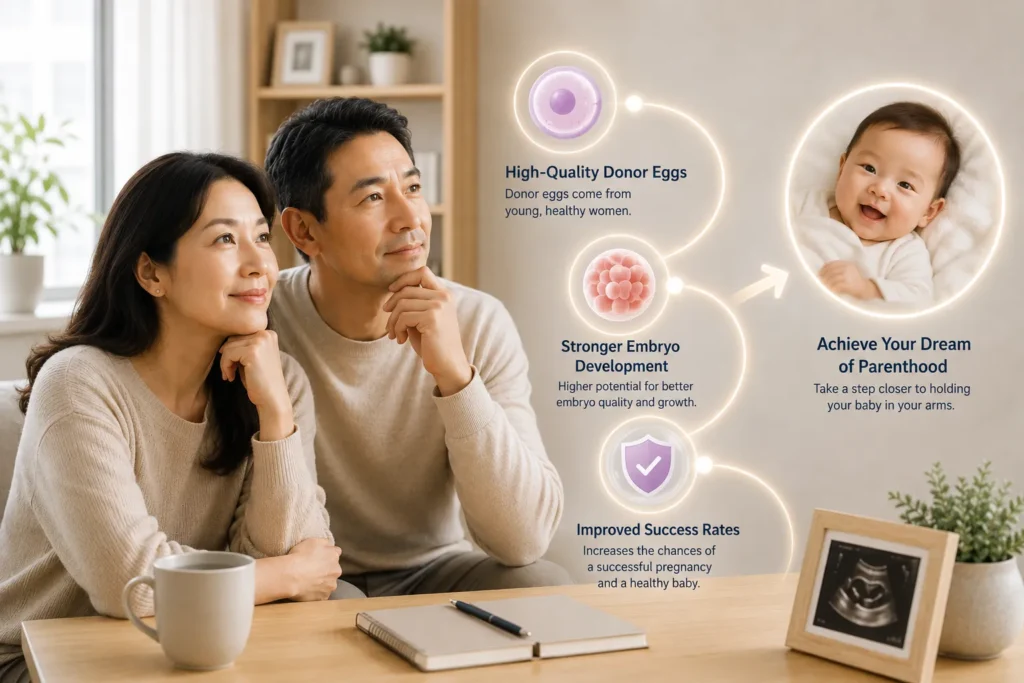
After several unsuccessful IVF cycles, egg donation may offer a more promising path to pregnancy, especially when age-related egg quality is the main concern. Donor egg IVF uses eggs from a younger, medically screened donor to create embryos with the intended father’s or chosen donor’s sperm.
Because the age and health of the egg strongly influence embryo quality, using younger donor eggs may improve fertilization, embryo development, implantation, and live birth outcomes. However, success is never guaranteed, and results vary depending on the donor, sperm quality, embryo quality, uterine health, fertility clinic, and treatment plan.
For women of advanced maternal age, egg donation can reduce the effect that aging eggs have on IVF success while still allowing the intended mother to experience pregnancy, childbirth, and breastfeeding.
1. Why Younger Donor Eggs Lead to Higher Success Rates
Egg quality naturally declines with age. As eggs grow older, they are more likely to contain chromosomal abnormalities that can prevent fertilization, interrupt embryo development, cause implantation failure, or lead to miscarriage.
Egg donors are generally selected during their younger reproductive years and complete medical, fertility, genetic, psychological, and infectious-disease screening before participating in a cycle. Current ASRM guidance recommends a comprehensive evaluation of egg donors and recipients to support safe and responsible treatment.
Using younger donor eggs may provide:
- A greater likelihood of retrieving mature, usable eggs.
- Better fertilization and embryo-development potential.
- A higher chance of creating healthy blastocysts.
- Lower age-related risk of embryo chromosomal abnormalities.
- Improved implantation and live birth potential compared with using older eggs.
The intended mother’s age still matters when assessing the safety of pregnancy. However, the age of the egg donor is generally more important than the recipient’s age when estimating embryo-related success.
This is why donor egg IVF may remain a strong option for women in their 40s and, in carefully evaluated cases, at older ages. ASRM notes that egg or embryo donation can make pregnancy possible beyond the natural reproductive years, although older recipients require careful medical screening because pregnancy-related risks increase with age.
2.The Difference Between Using Your Own Eggs and Donor Eggs
The main difference between the two approaches is the source and age of the eggs used to create the embryos.
With IVF using your own eggs, the eggs are collected from your ovaries after stimulation. Your age, ovarian reserve, and egg quality therefore have a major effect on how many embryos are created and whether they can develop into a successful pregnancy.
With donor egg IVF, the embryos are created using eggs from a younger screened donor. The intended mother prepares her uterine lining with medication before an embryo is transferred into her uterus.
IVF Using Your Own Eggs
- The child has a genetic connection to the intended mother.
- The intended mother undergoes ovarian stimulation and egg retrieval.
- Success is strongly affected by maternal age and egg quality.
- Fewer mature eggs or healthy embryos may be available with diminished ovarian reserve.
- The risk of embryo chromosomal abnormalities increases as egg age increases.
IVF Using Donor Eggs
- The child has a genetic connection to the egg donor rather than the intended mother.
- The intended mother usually does not undergo ovarian stimulation or egg retrieval.
- Embryo potential is influenced primarily by the donor’s egg quality.
- Donor eggs may provide better outcomes after repeated age-related IVF failure.
- The intended mother can still carry the pregnancy, give birth, and build a prenatal bond with the baby.
Choosing donor eggs can be emotionally complex. Some intended parents need time to process the loss of a genetic connection before they feel ready to continue. Counseling, honest discussions with your partner, and clear information from your fertility team can make the decision feel more manageable.

Advanced Maternal Age IVF Success Rate With Donor Eggs
The advanced maternal age IVF success rate with donor eggs is generally higher than the success rate of IVF using a woman’s own eggs at the same age. This is because donor egg outcomes are influenced more by the donor’s age and egg quality than by the age of the person carrying the pregnancy.
National IVF reports separate outcomes based on whether embryos were created using the patient’s own eggs or donor eggs because the egg source is an important factor when estimating success.
However, success rates should always be interpreted carefully. A clinic may report results per cycle started, egg retrieval, embryo transfer, pregnancy, or live birth. These measurements are not interchangeable.
The best way to understand your chances is to request the fertility clinic’s most recent donor egg results and ask how those results apply to your medical history.
Success Rates by Maternal Age
When women use their own eggs, IVF success rates decline substantially with advancing age. National SART data show a clear decrease in live birth outcomes as the age of the egg provider rises, with the steepest decline occurring after age 40.
With donor egg IVF, this age-related decline is usually less pronounced because the eggs come from a younger donor. A recipient in her early 40s may therefore have embryo-related chances that are closer to those associated with the donor’s age rather than her own.
Recipient age can still influence:
- The medical safety of carrying a pregnancy.
- The risk of high blood pressure and gestational diabetes.
- The likelihood of pregnancy complications.
- Whether additional medical clearance is required.
- The clinic’s eligibility policies for older patients.
For this reason, women of advanced maternal age may be asked to complete cardiac, metabolic, uterine, and general health evaluations before beginning donor egg IVF.
Live Birth Rates Using Donor Eggs
Live birth rate is often the most useful measurement when comparing IVF options because it reflects the percentage of treatments that ultimately result in a baby being born.
Earlier CDC national reporting found that approximately 41% of embryo-transfer cycles using donor eggs or donated embryos resulted in a live-birth delivery across recipient age groups. The results varied depending on the treatment type and clinic population.
Current clinic-specific results may be higher or lower. Success may also differ depending on whether treatment uses:
- Fresh donor eggs.
- Frozen donor eggs.
- Fresh donor embryos.
- Frozen donor embryos.
- Tested or untested embryos.
- One embryo or multiple embryos per transfer.
Intended parents should avoid relying on a single advertised percentage. Ask whether a quoted success rate refers to pregnancy, clinical pregnancy, live birth per transfer, live birth per cycle, or cumulative live birth after all embryos have been used.
Factors That Still Influence Success
Using younger donor eggs can improve embryo potential, but it does not remove every possible cause of IVF failure.
Important factors include:
- Donor age and egg quality: Younger, medically qualified donors generally have stronger reproductive potential.
- Fresh or frozen eggs: Outcomes can depend on egg survival, laboratory experience, and the number of eggs available.
- Sperm quality: Male-factor infertility can affect fertilization and embryo development.
- Embryology laboratory quality: Egg handling, fertilization, embryo culture, freezing, and thawing techniques all matter.
- Uterine health: Fibroids, polyps, scar tissue, fluid in the fallopian tubes, or other conditions may interfere with implantation.
- Endometrial preparation: The uterine lining must respond properly to estrogen and progesterone before transfer.
- Embryo quality: Not every embryo will implant, even when it was created from a young donor’s egg.
- General health: Smoking, uncontrolled health conditions, and certain lifestyle factors may affect treatment or pregnancy.
- Clinic experience: Donor egg protocols and laboratory performance differ among fertility centers.
PGT-A may be discussed in some donor egg cycles, but it is not automatically necessary for every patient. ASRM has reported that donor egg studies have not consistently shown a clear improvement in live birth rates from routine PGT-A, so the decision should be individualized.
Comparing IVF Success With Own Eggs vs. Donor Eggs
For younger women with a good ovarian reserve and no major egg-quality concerns, IVF using their own eggs may still offer a reasonable chance of success.
The comparison changes as age increases.
For women over 40, IVF using their own eggs may result in:
- Fewer eggs retrieved.
- Fewer mature eggs.
- Fewer blastocysts.
- A higher percentage of chromosomally abnormal embryos.
- Lower implantation rates.
- A higher risk of miscarriage.
- A lower chance of live birth per cycle.
Donor egg IVF may offer:
- Access to younger, screened eggs.
- More predictable embryo development potential.
- Less dependence on the intended mother’s ovarian reserve.
- Higher success potential after age-related IVF failure.
- A lower embryo-related risk of age-associated chromosomal abnormalities.
National SART information reflects the sharp age-related decline in live birth outcomes when patients use their own eggs, while SART also recognizes donor eggs as an option associated with higher success rates for many older women.
The decision should not be based on age alone. Your fertility specialist should review your previous stimulation response, egg maturity, fertilization results, embryo development, genetic testing results, uterine health, pregnancy history, and personal priorities.
For some intended parents, another own-egg IVF cycle may be reasonable. For others, moving to donor eggs may save valuable time and provide a more realistic path toward a healthy pregnancy.

Donor Egg IVF Emotional Readiness
For many intended parents, choosing donor egg IVF is not only a medical decision—it is also an emotional one. After investing time, hope, and multiple IVF cycles using your own eggs, deciding to move forward with donor eggs can bring a mix of emotions, including grief, uncertainty, relief, and renewed hope.
There is no right or wrong way to feel. Some people are ready to move forward quickly, while others need time to process the idea of building their family in a different way than they originally imagined. Taking the time to acknowledge these emotions is an important part of becoming emotionally prepared for donor egg IVF.
Many intended parents find that once they understand the process and focus on their goal of having a healthy baby, donor egg IVF becomes a positive step toward parenthood rather than the end of their original plan.
Coping With the Grief of Letting Go of Genetic Parenthood
One of the biggest emotional challenges is accepting that your child will not share your genetic DNA. It is normal to grieve the loss of the family you originally imagined.
Many women experience feelings such as:
- Sadness about not passing on their genetics.
- Guilt or self-blame after repeated IVF failures.
- Fear of bonding with their future child.
- Worry about how others may view donor conception.
- Anxiety about making the “right” decision.
These feelings are common and often become easier to manage with time and support. Many parents who choose donor eggs report that once pregnancy begins—or after their child is born—the emotional connection they develop through carrying, giving birth to, and raising their child becomes far more important than genetics.
Remember that becoming a parent is about much more than shared DNA. Love, care, and the lifelong relationship you build with your child are what truly define parenthood.
Talking With Your Partner and Family
The decision to use donor eggs affects both partners, which makes open and honest communication essential. While one partner may feel ready to move forward, the other may still need time to process the emotional aspects of donor conception.
Helpful topics to discuss include:
- Your reasons for considering donor egg IVF.
- Expectations for treatment and future family planning.
- Concerns about genetics and family relationships.
- Whether and how you may discuss donor conception with your future child.
- Questions from relatives or close friends.
Some intended parents also choose to involve trusted family members, while others prefer to keep their fertility journey private. There is no single approach that works for everyone. The most important decision is the one that feels right for your family.
Counseling and Support Resources
Professional counseling can be an important part of preparing for donor egg IVF. Many fertility clinics recommend or require counseling before beginning treatment to ensure intended parents fully understand the emotional, ethical, and practical aspects of donor conception.
Support may include:
- Fertility counselors specializing in third-party reproduction.
- Licensed mental health professionals.
- Donor conception support groups.
- Online communities for intended parents.
- Educational resources provided by fertility clinics and egg donor agencies.
Speaking with others who have successfully built their families through donor egg IVF can also provide reassurance and help normalize the emotions you may be experiencing.
Emotional readiness does not mean feeling completely certain. It means understanding your options, working through your concerns, and feeling confident that your decision reflects your family’s goals and values.
Frequently Asked Questions
Q1: How many failed IVF cycles before egg donation?
There is no set number of IVF cycles you should complete before considering egg donation. The right time depends on factors such as your age, ovarian reserve, egg quality, embryo development, and the reasons your previous IVF cycles were unsuccessful. For women over 40 or those with repeated IVF failures caused by poor egg quality, fertility specialists may recommend discussing donor egg IVF sooner rather than continuing multiple unsuccessful cycles.
Q2: Is donor egg IVF more successful after age 40?
In many cases, yes. Donor egg IVF generally offers higher success rates than IVF using a woman’s own eggs after age 40 because the eggs come from younger, carefully screened donors. Since embryo quality is strongly influenced by the donor’s age, donor egg IVF can significantly improve the chances of embryo development, implantation, and live birth. However, success still depends on factors such as uterine health, sperm quality, embryo quality, and the fertility clinic’s expertise.
Q3: Can I carry a healthy pregnancy with donor eggs at 45?
Many women have successfully carried healthy pregnancies with donor eggs in their mid-40s. Whether treatment is appropriate depends on your overall health, uterine condition, and any medical conditions that could affect pregnancy. Before treatment, your fertility specialist will perform a thorough evaluation to determine whether it is safe for you to carry a pregnancy and discuss any age-related risks.
Q4: Is my baby genetically related to me?
If you use donor eggs, your child will inherit genetic material from the egg donor and the sperm provider. Although you will not share the egg donor’s DNA, you will still carry the pregnancy, nurture your baby’s development throughout pregnancy, and experience childbirth. Many intended parents find that the emotional bond they build during pregnancy and parenthood is far more meaningful than a genetic connection.
Q5: How do I know I'm emotionally ready for donor egg IVF?
Emotional readiness looks different for every person. You may be ready when you have had time to process the disappointment of previous IVF treatments, understand how donor egg IVF works, and feel comfortable with your decision to build your family in a different way. Speaking with your partner, fertility specialist, or a counselor experienced in third-party reproduction can help you work through any remaining concerns and feel more confident moving forward.
Q5: How long does donor egg IVF take?
The timeline varies depending on whether you are using a fresh or frozen donor egg cycle, how quickly you select a donor, and your fertility clinic’s treatment schedule. In general, the process includes donor matching, medical screening, legal agreements, cycle coordination, embryo creation, and embryo transfer. Many donor egg IVF journeys take approximately two to six months, although individual timelines may be shorter or longer based on your specific circumstances.
Why Choose Generation Family Network for Your Egg Donation Journey
Choosing the right egg donor agency is one of the most important decisions you’ll make during your fertility journey. At Generation Family Network, we are committed to providing ethical, transparent, and personalized egg donation services for intended parents around the world. Our experienced team works closely with leading fertility clinics to make every stage of the process as smooth and supportive as possible—from donor matching to embryo transfer.
Whether you are exploring donor egg IVF after multiple failed IVF cycles or beginning your fertility journey for the first time, we are here to guide you with compassionate care and individualized support.
One of the Largest Asian and Chinese Egg Donor Databases
Generation Family Network offers access to more than 130 carefully screened egg donors, including one of the largest Asian and Chinese egg donor databases available to international intended parents.
Each donor completes a comprehensive screening process that includes:
- Medical and reproductive history.
- Genetic carrier screening.
- Infectious disease testing.
- Psychological evaluation.
- Educational and family background.
- Physical characteristics and personal interests.
Our diverse donor database allows intended parents to find a donor whose background, appearance, education, and values closely match their personal preferences.
Personalized Donor Matching and Dedicated Case Management
Every fertility journey is unique. That’s why we provide personalized donor matching instead of a one-size-fits-all approach.
Our experienced coordinators work closely with intended parents to understand their priorities, whether they are looking for a specific ethnicity, educational background, physical characteristics, blood type, or previous donation experience.
From your initial consultation through donor selection, legal coordination, clinic scheduling, and embryo transfer, you’ll have a dedicated case manager to answer questions and coordinate every step of your journey.
Trusted Partnerships With Leading Fertility Clinics
Generation Family Network partners with respected fertility clinics in the United States and internationally to provide intended parents with access to experienced reproductive specialists and high-quality IVF care.
Our team helps coordinate communication between intended parents, egg donors, fertility clinics, legal professionals, and other service providers to ensure a smooth and organized treatment process.
Whether you already have a preferred fertility clinic or need help selecting one, we’ll work closely with your medical team to support your treatment plan.
Comprehensive Medical, Legal, and Financial Protection
Your family’s legal security is a top priority. Generation Family Network works with Law Offices of Lei, APC, experienced reproductive attorneys who specialize in assisted reproduction and third-party fertility arrangements.
Before any medical treatment begins, comprehensive legal agreements are prepared to protect the rights of intended parents and egg donors. These agreements clearly define parental rights, donor responsibilities, confidentiality, compensation, and legal compliance, providing confidence and peace of mind throughout your fertility journey.
We believe donor well-being is essential to a successful egg donation program. Through our partnership with New Life Agency, eligible egg donors receive comprehensive donor insurance designed to provide additional protection against unexpected medical complications that may arise during the donation process.
This added layer of protection helps ensure that donors receive appropriate support and care while giving intended parents greater confidence that their donor’s health and well-being remain a priority throughout the program.
Start Your Family-Building Journey with Confidence
Choosing the right fertility partner can make all the difference. With access to one of the largest Asian egg donor databases in the USA, experienced fertility professionals, transparent coordination, and personalized international support, Generation Family Network is dedicated to helping Chinese intended parents build their families with confidence.
Whether you are searching for a Chinese egg donor agency in California, exploring your IVF options, or ready to begin treatment, our team is here to provide expert guidance every step of the way.
Contact Generation Family Network today to learn more about our egg donation programs and discover how we can help you take the next step toward parenthood.
💬 Message Generation Family Network today for personalized guidance and answers to your fertility questions. We’re here to support you every step of your family-building journey.