


If your fertility journey cannot proceed with your own eggs, egg donation (donor-egg IVF) may be the key to achieving your dream of becoming a parent. Understanding the complete process—from matching with a donor to embryo implantation—helps you prepare thoroughly and increase your chances of success.
This guide walks you through how to choose the right donor, select suitable eggs, and navigate the implantation and pregnancy stages for the best possible outcome.
Table of Contents
1. From Donor Matching to Egg Retrieval: How to Choose the Right Donor
Egg donation laws and processes vary across countries, so application requirements differ by region. Below is a comparison of major countries where donor-egg IVF is available.
| Egg Donation in | Taiwan | U.S | China | Thailand |
|---|---|---|---|---|
| Eligibility | Heterosexual married couples only | Open to single women, LGBTQ+, and advanced-age infertility | Only infertile heterosexual couples with medical proof | Open to foreign intended parents |
| Ideal Candidates | 1. One partner infertile or carrying genetic disease | 2. At least one partner with healthy cells Freedom to choose embryos; can select by gender, height, and genetics | Must present medical proof (e.g., infertility, cancer); some use intermediaries | Suitable for overseas couples unable to undergo IVF in China; high privacy |
| Donor Source | Egg banks or fresh donors (anonymous; facial details not disclosed) | Egg banks or fresh donors (anonymous or open; info may include ethnicity, education, photos, videos) | No egg banks; must match with overseas donors (via agencies such as Luan Ai) | Mostly local Thai donors; some foreign donors travel to donate |
| Matching Time | 1–2 weeks (bank) / 3–4 months (fresh)As fast as 1 week or up to 5–6 months | 1–6 months | ||
| Cost | NT$300,000–400,000 | USD $30,000–60,000 | RMB ¥160,000–250,000 | RMB ¥150,000–200,000 |
| Donor Egg Process |
1. 1. Both partners visit clinic for diagnosis 2. Submit ID & notarized documents 3. Wait for donor match 4. Pay & approval from Ministry of Health 5. Wife undergoes tests (hormone, uterus, tubes) 6. Sperm freezing & notarization |
1. 1. Online consultation with Luan Ai 2. Confirm donor screening criteria 3. Review donor profiles 4. Donor undergoes exams & stimulation cycle |
1. 1. Obtain infertility certificate from hospital 2. Donor matching 3. Donor’s menstrual Day 1: AMH & follicle scan 4. Fly to Thailand for checks 5. Begin stimulation & egg retrieval |
1. 1. Online consultation with Thai clinic 2. Donor matching 3. AMH & follicle scan 4. Begin stimulation 5. Egg retrieval successful |
| Egg & Sperm Collection |
Bank: Thawed donor eggs + husband’s fresh sperm Fresh: Donor stimulation, retrieval, and sperm collection Matching: The egg donor begins the treatment cycle on day 3 of her menstrual period Notarization Egg retrieval from the donor and sperm collection from the recipient’s husband |
Egg Bank / Matching: Thawing frozen eggs Fresh egg retrieval (after completing 2–3 months of screening) Sperm collection or international sperm transport (please contact Luan Ai for details) |
Matching: Fresh egg retrieval (after completing 2–3 months of screening) Sperm collection at an overseas location |
|
| Embryo Transfer |
1. 1. Fertilize to Day-5 blastocyst 2. Optional PGS testing 3. Uterine lining check (Day 11–12) 4. Transfer on Day 18–20; pregnancy test after 14 days |
1. Fertilization to Day-5 blastocysts, followed by PGS testing 2. The recipient wife or surrogate takes medication, and endometrial thickness is monitored 3. Embryo transfer is performed on days 18–20 of the menstrual cycle, followed by a pregnancy test 14 days later |
1. Fertilization to Day-5 blastocysts, followed by PGS testing 2. The recipient wife or surrogate takes medication, and endometrial thickness is monitored 3. Embryo transfer is performed on days 18–20 of the menstrual cycle, followed by a pregnancy test 14 days later |
|
| Donor Egg Programs | Taiwan | United States | China | Thailand |
|---|---|---|---|---|
| Donor Egg Eligibility Requirements | Legal marriage between one husband and one wife | No restrictions – single individuals, LGBT couples, and advanced-age infertility cases are all eligible | Only couples diagnosed with infertility are eligible | IVF is open to foreign nationals |
| Applicable Groups | 1.Couples in which one partner is infertile or has a serious hereditary disease | At least one partner has healthy reproductive cells Freedom to select embryos; if there are preferences for gender, height, or genetic traits, screening can be performed to avoid overlapping defective genes Medical certification is required, such as a diagnosis of infertility or cancer; otherwise, a third-party agency may be needed for donor egg arrangements | Intended parents living overseas who are unable or unwilling to undergo IVF treatment in China | Individuals or families who place a high priority on personal privacy |
| Donor Source | Egg Bank and Fresh Matching (Anonymous; facial features are not disclosed.) |
Egg banks or fresh donors (anonymous or open; info may include ethnicity, education, photos, videos) | No egg banks; must match with overseas donors (via agencies such as Luan Ai) | Mostly local Thai donors; some foreign donors travel to donate |
| Matching Time | 1–2 weeks (bank) / 3–4 months (fresh) As fast as 1 week or up to 5–6 months | 1–6 months | 1–12 months | |
| Cost | NT$300,000–400,000 | USD $30,000–60,000 | RMB ¥160,000–250,000 | RMB ¥150,000–200,000 |
| Donor Egg Process | 1. Both partners visit clinic for diagnosis 2. Submit ID & notarized documents 3. Wait for donor match 4. Pay & approval from Ministry of Health 5. Wife undergoes tests (hormone, uterus, tubes) 6. Sperm freezing & notarization |
1. Online consultation with Luan Ai 2. Confirm donor screening criteria 3. Review donor profiles 4. Donor undergoes exams & stimulation cycle |
1. Obtain infertility certificate from hospital 2. Donor matching 3. Donor’s menstrual Day 1: AMH & follicle scan 4. Fly to Thailand for checks 5. Begin stimulation & egg retrieval |
1. Online consultation with Thai clinic 2. Donor matching 3. AMH & follicle scan 4. Begin stimulation & egg retrieval |
| Egg & Sperm Collection | Egg Bank:
Thawing donor eggs and collecting fresh sperm from the recipient’s husband. Matching: 1. The egg donor begins the treatment cycle on day 3 of her menstrual period 2. Notarization 3. Egg retrieval from the donor and sperm collection from the recipient’s husband |
Egg Bank / Matching: Thawing eggs Fresh egg retrieval (after completing 2–3 months of screening) — — — — — — Sperm collection or international sperm transport (please contact Luan Ai for details) | Matching: Fresh egg retrieval (after completing 2–3 months of screening) Local sperm collection overseas |
|
| Embryo Transfer | Fertilization to Day-5 blastocyst stage Preimplantation Genetic Screening (PGS) is performed when indicated The recipient wife begins medication on days 2–3 of her menstrual cycle and returns for a uterine lining (endometrial thickness) check on days 11–12 Embryo transfer is performed on days 18–20 of the menstrual cycle, followed by a pregnancy test 14 days after transfer | Fertilization to Day-5 blastocyst stage Preimplantation Genetic Screening (PGS) is performed as needed The recipient wife starts medication on days 2–3 of her menstrual cycle and returns for an endometrial thickness check on days 11–12 Embryo transfer is carried out on days 18–20 of the menstrual cycle, followed by a pregnancy test 14 days after transfer | Fertilization to Day-5 blastocyst stage Preimplantation Genetic Screening (PGS) is performed as needed The recipient wife starts medication on days 2–3 of her menstrual cycle and returns for an endometrial thickness check on days 11–12 Embryo transfer is carried out on days 18–20 of the menstrual cycle, followed by a pregnancy test 14 days after transfer | |
Selecting a High-Quality Egg Donor
Choosing eggs is not a random process—it requires careful evaluation through several medical and genetic assessments. Here are the key factors to consider when selecting an egg donor:
- 1. Donor’s Age
Younger donors typically produce higher-quality eggs. Generally, eggs from donors under 30 years old have better fertilization and pregnancy outcomes. - 2. Donor’s Health Condition
A comprehensive health screening is mandatory, including genetic disorder screening and infectious disease testing, to ensure the eggs are healthy and safe for fertilization. - 3. Family Medical History
Understanding the donor’s family health background helps assess any potential hereditary risks that could affect the child. - 4. Donor’s Experience
In Taiwan, a donor can only donate once if a live birth occurs, while overseas donors have no such limitation.
Experienced donors usually respond better to ovarian stimulation medications, leading to more mature eggs and higher success rates.
Ideally, a successful donor retrieval yields at least 20 eggs, with 15 mature eggs, resulting in a good chance of live birth.
If available, egg retrieval or embryo reports provide additional reliability when selecting a donor. - 5. Lifestyle Habits
A donor’s daily routine can affect egg quality. Smoking, alcohol consumption, late-night habits, or poor sleep can all negatively influence hormone balance and egg development.
The Importance of Genetic Testing
Genetic testing plays an increasingly vital role in modern IVF. It allows doctors to identify eggs or embryos that carry genetic abnormalities, reducing the risk of hereditary diseases and increasing the chance of a healthy pregnancy. Common tests include:
- PGS (Preimplantation Genetic Screening):
Checks whether an embryo has the correct number of chromosomes, helping improve implantation rates and lower miscarriage risk. - PGD (Preimplantation Genetic Diagnosis):
Detects specific inherited genetic conditions in embryos before implantation.
Communicating with Your Fertility Specialist
Open communication with your fertility doctor is crucial throughout the IVF and donor selection process.
Your fertility specialist will evaluate your health, guide you through suitable donor options, and recommend necessary tests to maximize success rates.
Here are some questions to discuss with your doctor:
- Which donors’ eggs are most compatible with my situation?
- Do I need to undergo genetic testing?
- What key factors should I pay attention to when choosing donor eggs?

2. How Does the Donor-Egg IVF Process Work?
Donor-egg IVF (In Vitro Fertilization) is an assisted reproductive technology (ART) designed for couples facing infertility, women with diminished ovarian reserve or poor egg quality, those unable to produce eggs, or patients at risk of passing on genetic disorders.
Although the treatment plan varies depending on individual circumstances and clinic protocols, the overall process generally includes the following steps:
(1) Preparation Phase: Health Evaluation and Treatment Planning
- For women:
Ovarian function test (AMH level), ultrasound examination of the ovaries and uterus.
If using a donor egg, only the fallopian tubes and endometrial thickness need to be evaluated.
If using a surrogate, these tests are not required.
For men:
Semen analysis and hormone testing. - Regulatory and Safety Testing:
Both partners must provide recent (within 6 months) HIV and syphilis test reports. - Treatment Planning:
Based on test results, the fertility specialist designs a personalized ovarian stimulation and embryo transfer plan.
(2) Ovarian Stimulation: Ensuring High-Quality Eggs from the Donor
- Monitoring Ovarian Response:
On the third day of the donor’s menstrual cycle, a transvaginal ultrasound and blood test are performed to check follicle count (ideally more than 20) and growth progress. - Ovarian Stimulation Medication:
Hormonal injections are administered to encourage multiple eggs to mature. The doctor adjusts medication dosage based on the donor’s response. - Trigger Injection:
When follicles reach the appropriate size, an HCG or Lupron trigger shot is given to finalize egg maturation in preparation for retrieval.
(3) Egg Retrieval and Sperm Preparation
- Egg Retrieval Procedure:
Performed under intravenous anesthesia, eggs are collected via transvaginal aspiration under ultrasound guidance. - Sperm Collection:
A semen sample is collected on the same day or thawed from a previously frozen sample (after 3–7 days of abstinence).
(4) Fertilization and Embryo Culture
- In Vitro Fertilization (IVF or ICSI):
Eggs and sperm are combined in the lab for fertilization, and embryos are cultured under controlled conditions. - Embryo Evaluation and Selection:
Embryo development is closely monitored. The best-quality embryos are selected for transfer.
If preimplantation genetic testing (PGT-A) is required, embryos are frozen while awaiting results.
In some countries, chromosomal and gender screening can also be performed during this stage.
(5) Embryo Transfer: The Critical Stage
- Fresh Embryo Transfer:
After 3–5 days of culture, the highest-quality embryo is transferred into the uterus of the intended mother or gestational carrier. - Frozen Embryo Transfer (FET):
The recipient undergoes 1–2 months of endometrial preparation to ensure optimal thickness and receptivity before transfer.
(6) Embryo Implantation and Pregnancy Testing
- Fresh Embryo Transfer:
• After 3–5 days of embryo culture, the highest-quality embryos, based on grading, are prioritized for transfer into the uterus of the intended mother or surrogate. - Frozen Embryo Transfer (FET):
• 1–2 months of endometrial preparation are required to ensure adequate uterine lining thickness and create optimal conditions for implantation.
3. How Long Is the Implantation Window After Transfer? What Are the Signs?
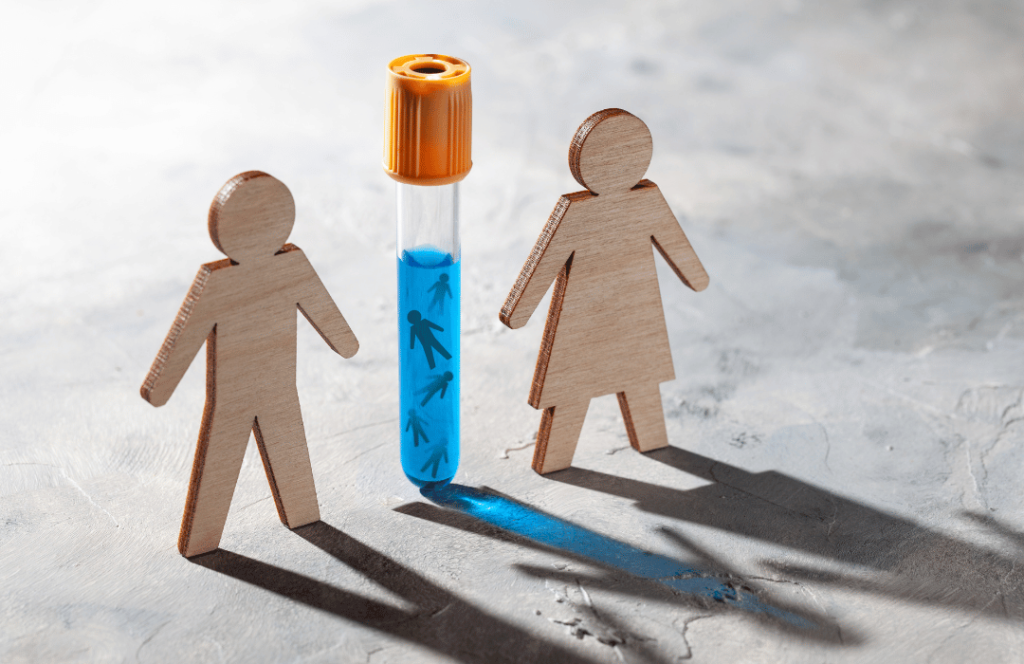
Successful implantation is essential for pregnancy. The implantation window refers to the period when the uterine lining is most receptive to the embryo, typically occurring a few days after transfer.For IVF or artificial insemination, the critical implantation period is usually 5–9 days after ovulation (equivalent to days 19–23 of a natural menstrual cycle).However, the first 1–2 days after embryo transfer are the most crucial in determining whether implantation will occur successfully.
How to Identify the Key Implantation Period
To increase your chances of success after embryo transfer, it’s important to understand the implantation window and recognize potential signs that implantation has occurred.
Four Common Signs of Embryo Implantation After IVF
Implantation is a gradual biological process and may not produce obvious symptoms—some people feel no changes at all. However, a few subtle signs may appear after successful implantation:
- 1. Implantation Bleeding
Light spotting or minor blood streaks in vaginal discharge may occur 10–14 days after fertilization or transfer as the embryo attaches to the uterine lining. - 2. Lower Abdominal Discomfort
Mild cramps, pressure, or tingling in the lower abdomen can appear 2–3 days after implantation, similar to premenstrual discomfort. If the pain is severe or persistent, consult your doctor immediately. - 3. Increased Vaginal Discharge
To protect the newly implanted embryo and prevent bacterial infection, the body increases cervical mucus secretion. - 4. Other Common Symptoms
Some may experience fatigue, sleepiness, frequent urination, breast tenderness, or mild nausea due to hormonal changes.
Note: Not all women experience these symptoms, and their presence doesn’t always confirm pregnancy. The most reliable way to confirm implantation is through pregnancy testing.
Typically, a blood test measuring HCG 10–14 days after embryo transfer is the most accurate confirmation. A positive result indicates successful implantation—congratulations!
VF Process – Key Considerations for a Successful Pregnancy
Post-Transfer Care and Lifestyle Tips
Congratulations—you’ve successfully completed the embryo transfer! The period that follows is another critical stage in the IVF process. Many intended parents feel anxious and eager to know whether the treatment has resulted in pregnancy. However, maintaining a calm mindset, following your doctor’s instructions, and paying attention to daily lifestyle details are essential to creating the best possible environment for embryo implantation.
Let us walk you through post-transfer care and lifestyle guidelines, helping you move confidently toward a successful pregnancy.
| Focus Area | Recommendations | Notes |
|---|---|---|
| Balanced Nutrition | Eat fresh vegetables, lean protein (fish, chicken, tofu), whole grains, and stay hydrated (2,000 ml+ daily). Avoid spicy, fried, caffeinated, and alcoholic foods. | Folic acid helps prevent neural tube defects; Vitamin D supports calcium absorption. |
| Physical Activity & Rest | Gentle walking promotes circulation. Avoid heavy lifting and intense exercise. Sleep 7–8 hours nightly, ideally before 11 p.m. | Maintain a regular routine and avoid overexertion. |
| Emotional Wellbeing | Listen to music, read, or talk with friends and family. Seek counseling if needed. | Stress can affect hormone balance—trust your body and your doctor. |
| Normal Post-Transfer Symptoms | Mild spotting, abdominal bloating, breast tenderness, fatigue are normal. | Seek immediate care if bleeding is heavy, pain is severe, or fever develops. |
| Pregnancy Test Timing | Take a blood test (HCG) or home test 10–14 days after transfer. | Testing too early may lead to false negatives—follow your doctor’s schedule. |
| 試管嬰兒流程植入後務必遵從醫囑,按時用藥 | 依醫囑服用黃體素等藥物,勿擅自停藥或更改劑量 | 若出現嚴重腹痛、大量出血、發燒等異常症狀,應立即就醫 |
| Focus Area | Recommendations | Notes |
| Eat fresh vegetables, lean protein (fish, chicken, tofu), whole grains, and stay hydrated (2,000 ml+ daily). | Avoid spicy, fried, caffeinated, and alcoholic foods. | Folic acid helps prevent neural tube defects; Vitamin D supports calcium absorption. |
| Physical Activity and Rest | Gentle walking promotes circulation. Avoid heavy lifting and intense exercise. Sleep 7–8 hours nightly, ideally before 11 p.m. | Maintain a regular routine and avoid overexertion. |
| After embryo transfer, it is important to maintain a positive and relaxed mindset, seek support and encouragement, and avoid excessive anxiety | .Reducing stress through activities such as listening to music, reading, or chatting with family and friends can be very helpful. Seeking support from loved ones or professional counseling may also ease emotional pressure. | Excessive worry can affect hormonal balance, so trust your doctor’s guidance and your body’s natural ability during this important stage. |
| After embryo transfer, you may experience mild spotting, abdominal bloating or mild cramping, breast tenderness, fatigue, or drowsiness. | A small amount of spotting is usually normal. However, if you experience heavy bleeding or severe abdominal pain, seek medical attention immediately. | These symptoms are often related to hormonal changes, which can cause breast tenderness and increased fatigue. If any symptoms become severe or concerning, please consult your doctor right away. |
| Pregnancy Test Timing | Take a blood test (HCG) or home test 10–14 days after transfer. | Testing too early may lead to false negatives—follow your doctor’s schedule. |
| After embryo transfer, it is essential to follow your doctor’s instructions carefully and take all medications on schedule. | This includes progesterone and other prescribed medications—do not stop taking them or adjust the dosage on your own. | If you experience severe abdominal pain, heavy bleeding, fever, or other abnormal symptoms, seek medical attention immediately. |
Extended Insight: What Are the Eligibility Requirements for Assisted Reproductive Technology (IVF) Subsidy Applications?
As infertility treatment technologies continue to advance, governments offer assisted reproductive technology (IVF) subsidies to help eligible families reduce the financial burden. Before applying for these subsidies, it is important to understand the relevant regulations, including eligibility criteria, subsidy amounts, and application procedures.
In addition, subsidy policies may vary by region, so it is recommended to confirm the most up-to-date subsidy information before starting the IVF process to ensure proper preparation and a smooth application.
1. Who Is Eligible to Apply for Assisted Reproductive Technology (ART) Subsidies?
Married couples under 45 years old who meet infertility criteria as defined by the Assisted Reproduction Act.
2. What treatments are covered?
Mainly IVF procedures such as ovarian stimulation and embryo transfer. The amount varies based on income level or household classification.
3. How many times can you apply?
Up to six times per couple, depending on age and infertility condition.
4. Required documents:
5. Application process:
In Vitro Fertilization (IVF) Process: Frequently Asked Questions (FAQ)
Q: Is a blood test the most accurate way to confirm pregnancy after IVF?
Yes. The most reliable method is an HCG blood test about 10–14 days after embryo transfer.
While home pregnancy tests are convenient, they may produce false negatives if hormone levels are still low.
An HCG level above 50 mIU/ml usually indicates implantation, but doctors also monitor whether the level doubles every 48 hours—a sign of normal pregnancy progression.
If confirmed pregnant, your doctor will schedule an ultrasound around 5–6 weeks to check for implantation and fetal heartbeat.
If you have questions or need consultation about donor eggs or IVF, you’re welcome to add the official Luan Ai LINE account for assistance.
Since every situation is different, we recommend starting with an online consultation first.