



For many women, ovulation pain is a minor monthly discomfort — a brief twinge that comes and goes. However, for those undergoing ovulation induction with fertility injections, the sensations can be noticeably different. In this article, we’ll explain what ovulation pain really is, how it differs when triggered by ovulation medications, and share practical relief tips to help you navigate these changes with confidence and comfort as you prepare for your fertility journey.
Table of Contents
What Is Ovulation Pain? Common Locations and Symptoms
Ovulation pain (also called mittelschmerz) refers to the pelvic or lower abdominal pain some women experience during ovulation — typically around the middle of the menstrual cycle. When an egg matures and ruptures from the follicle, fluid or a small amount of blood may irritate the abdominal lining, causing temporary pain or discomfort.
Ovulation usually occurs about two weeks after the start of menstruation. If pain arises during this period, it’s likely due to ovulation and generally lasts 1–3 days. However, if the pain persists for more than a week, it’s advisable to consult a gynecologist to rule out other medical conditions.
Where Does Ovulation Pain Occur?
The pain is often centered in the lower abdomen or pelvic area, near the ovary that’s releasing an egg. Because the two ovaries alternate, some women notice that the pain seems to “switch sides” each cycle.
Recognizing Ovulation Symptoms
The discomfort may be sharp, stabbing, or dull, and typically affects one side of the body. Some women feel only mild cramping, while others experience more severe pain that interferes with daily activities. The pain may last a few minutes to several days, depending on individual sensitivity and hormonal changes.
How to Relieve Ovulation Pain
Apply a warm compress: Using a hot water bag or heating pad on the lower abdomen can relax muscles and relieve cramps.
Get adequate rest: Avoid overexertion and ensure proper sleep to support hormonal balance.
Hydrate and eat lightly: Proper hydration and balanced meals can reduce bloating and abdominal pressure.
If pain becomes severe, persistent, or is accompanied by abnormal bleeding, seek medical advice promptly. A professional evaluation can rule out issues such as ovarian cysts, pelvic inflammation, or endometriosis, ensuring both comfort and reproductive health.
Why Do Egg Donors Need Ovulation Injections? Purpose, Function and Key Precautions
Ovulation injections — often called “trigger shots” or ovulation-inducing medications — are a vital part of fertility and egg donation treatments. Their primary purpose is to stimulate the ovaries to produce multiple mature eggs within one cycle, increasing the number of eggs available for fertilization. This process is especially beneficial for women undergoing egg donation, IVF, or those with ovulation disorders who have difficulty releasing eggs naturally.
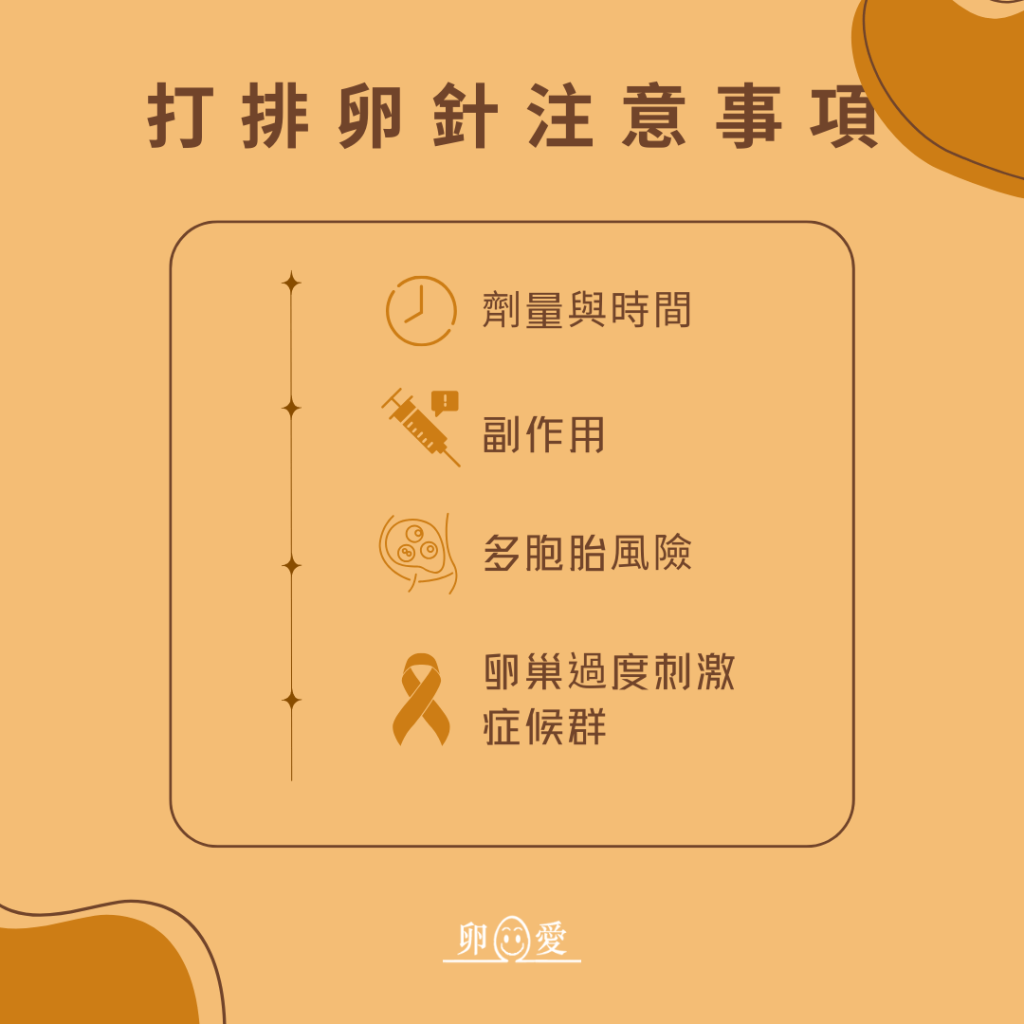
Precautions When Using Ovulation Injections
- Dosage and Timing
Always follow your doctor’s instructions precisely. The timing of the injection is critical — even a few hours’ difference can affect egg maturation. Never adjust the dose or schedule on your own. - Possible Side Effects
Some women may experience bloating, mild abdominal pain, headaches, or mood swings. These symptoms are typically temporary, but if severe discomfort occurs, contact your fertility specialist immediately. - Risk of Multiple Pregnancies
Because multiple eggs may mature at once, there’s a higher chance of twin or triplet pregnancies. Discuss these risks with your doctor before starting treatment. - Ovarian Hyperstimulation Syndrome (OHSS)
In rare cases, excessive stimulation can lead to OHSS, which may cause abdominal swelling, nausea, or shortness of breath. Prompt medical attention is needed if these symptoms appear.
Ovulation induction must always be performed under medical supervision. Regular ultrasound scans and hormonal tests are required to monitor follicle development and prevent complications. Working closely with your fertility team ensures the safety, effectiveness, and success of your treatment — whether it’s for egg donation or your own IVF journey.
Purpose and Mechanism of Ovulation Injections
The mechanism of action works by adjusting the body’s hormonal balance: ovulation injections reduce the influence of estrogen and trigger the pituitary gland to release follicle-stimulating hormone (FSH) and luteinizing hormone (LH). These hormones promote follicle growth, maturation, and eventual ovulation. For egg donors, this ensures that a sufficient number of high-quality mature eggs can be retrieved for fertilization.
Precautions When Administering Ovulation Injections
- Injection Method
Ovulation injections are typically administered subcutaneously (under the skin), allowing the medication to be slowly absorbed through small blood vessels into the bloodstream. - Recommended Injection Sites
Common injection areas include the abdomen or buttocks, as these regions have sufficient subcutaneous tissue suitable for injection. - After-Injection Care
After administering the shot, gently press the injection site with a clean cotton pad — avoid rubbing or massaging the area. This helps prevent bruising or irritation. - Rotate Injection Sites
For women undergoing multiple treatment cycles, it’s important to alternate injection locations each time to avoid skin thickening or the formation of small lumps under the skin.
What’s the Difference Between Natural Ovulation Pain and Pain After Ovulation Injections for Egg Donation?
Ovulation pain varies widely among women — it can feel like a light twinge, sharp stabbing pain, dull ache, or even cramping. Some experience discomfort for only a few minutes, while others may feel it throughout the day. In more severe cases, the pain may last two days or up to a week, though it usually subsides within a few hours and occurs only once per cycle.
However, for women undergoing egg donation treatment, the pain after ovulation injections is different. The discomfort is typically linked to stimulated follicle growth — the medication is designed to produce multiple mature eggs, which can cause the ovaries to enlarge temporarilyThis may result in mild bloating, pelvic pressure, or lower abdominal pain. These sensations are normal responses to hormonal stimulation.
If the pain becomes persistent, intense, or occurs at unusual times, it’s important to consult your fertility specialist promptly. Persistent discomfort may indicate ovarian hyperstimulation or other complications that require medical evaluation.
How to Relieve Ovulation Pain or Post-Injection Discomfort
4 ways to relieve ovulation pain
Here are four effective ways to ease ovulation-related pain and discomfort after ovulation injections:
- Warm Bath or Heat Therapy
Taking a warm bath or applying a heating pad to the lower abdomen can relax pelvic muscles and improve blood circulation, helping to relieve cramps. - Acupressure (Sanyinjiao Point Massage)
The Sanyinjiao (SP6) point is located on the inner lower leg, about four finger-widths above the ankle. Gentle massage can help relieve menstrual or ovulation-related pain. - Over-the-Counter Pain Relief
Medications such as NSAIDs (e.g., ibuprofen) or acetaminophen can temporarily reduce inflammation and pain. Always follow dosage instructions or your doctor’s guidance. - Oral Contraceptives (for Severe or Recurrent Pain)
For women with severe or chronic ovulation pain, birth control pills can help by preventing ovulation altogether — the only clinically proven method to stop ovulation pain from recurring.
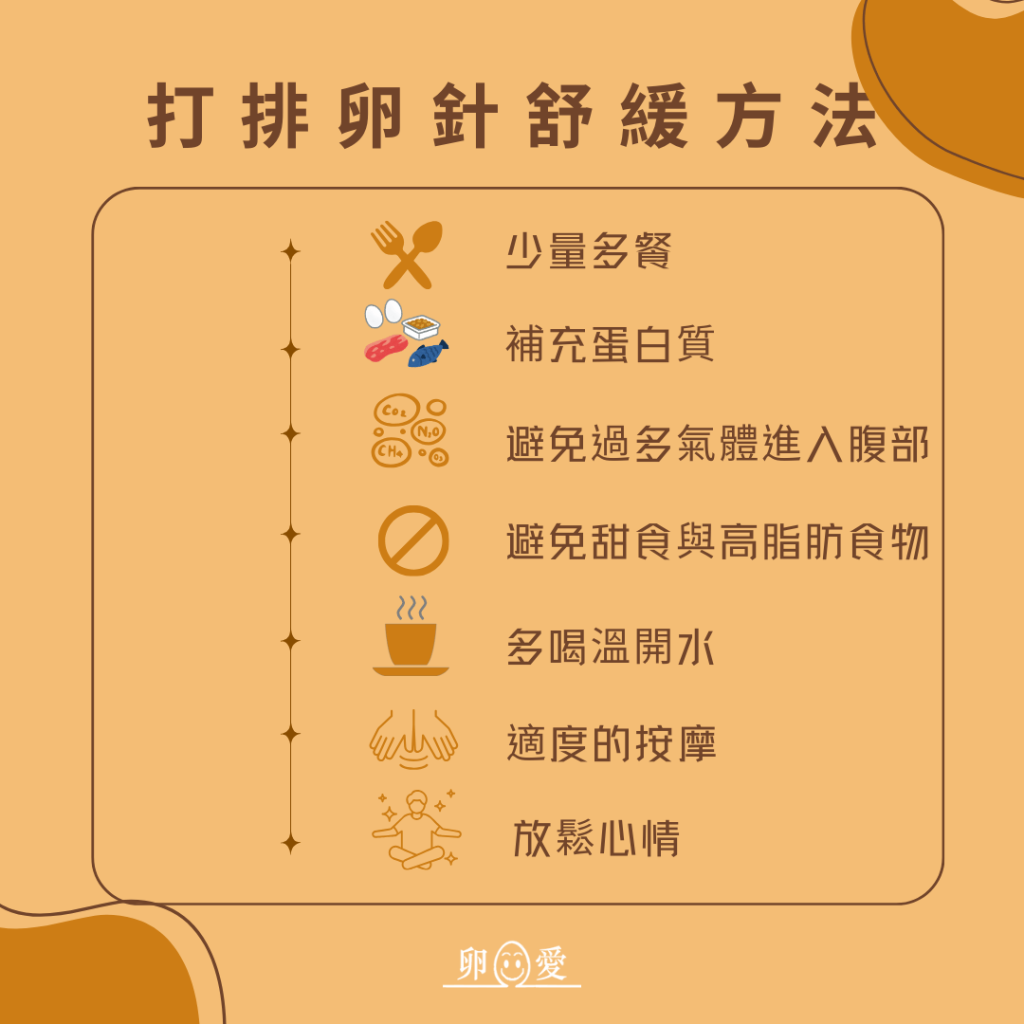
Pain Relief After Ovulation Injections for Egg Donation — 7 Effective Methods
1. Eat Small, Frequent Meals
Reducing the amount of food per meal can ease bloating and abdominal fullness. Eating smaller portions more often helps digestion and reduces pressure in the abdominal area.
2. Increase Fiber and Protein Intake
Fiber supports bowel movement, helping relieve bloating, while adequate protein intake assists in fluid balance and may help reduce water retention in the abdomen.
3. Chew Slowly and Avoid Swallowing Air
Eat slowly and avoid talking while eating. Skip straws, carbonated drinks, and chewing gum — all of which can cause you to swallow excess air and worsen bloating.
4. Avoid Gas-Producing Foods
Stick to a light, balanced diet and avoid sugary and greasy foods. Opt for plain crackers or high-fiber biscuits to help neutralize stomach acid and promote comfort.
5. Stay Hydrated
Drink at least 1,500 ml of warm water daily. Adequate hydration helps bowel movement and reduces gas buildup. You can add a small amount of honey to warm water to further stimulate digestion and ease constipation.
6. Gentle Abdominal Massage
Warm your palms and gently massage your abdomen in a clockwise circular motion starting from the upper right area, about 5–10 rotations per session, 2–3 times a day.
Use light pressure and avoid the central uterine area.Do not massage immediately after eating.A drop of peppermint essential oil can also help reduce bloating and constipation.
7. Relax and Manage Stress
Emotional tension can worsen physical discomfort.
Post-Egg Retrieval Care and Recovery Tips
Post-Egg Retrieval Care
- After egg retrieval, it’s common to experience mild bloating or abdominal pain due to enlarged ovaries. Most symptoms resolve naturally within a few days.
Hydration: Drink 2,000–3,000 ml of water per day, and replenish electrolytes with fluids like coconut water or sports drinks. - Rest: Avoid intense physical activity for at least one week after the procedure to prevent ovarian torsion.
- Nutrition: Eat a balanced diet with high-protein foods such as eggs, chicken, tofu, and fish. Avoid sweets, fried foods, milk tea, and sugary beverages.
- Lifestyle: Maintain a regular routine, get enough sleep, and engage in light exercise such as walking once you feel comfortable.

Global Egg Donor— Carrying Love, Delivering the Miracle of Life
Egg donation is an act of love and hope — a bridge that connects generosity with new beginnings.
At Global Egg Donor, we are dedicated to providing safe, reliable, and high-quality egg donation services. With professional medical expertise and comprehensive support, we protect every donor’s health while ensuring the highest egg quality, so that each miracle of life can happen with peace of mind.
Choose Global Egg Donor — let compassion continue, and let life bloom beautifully.