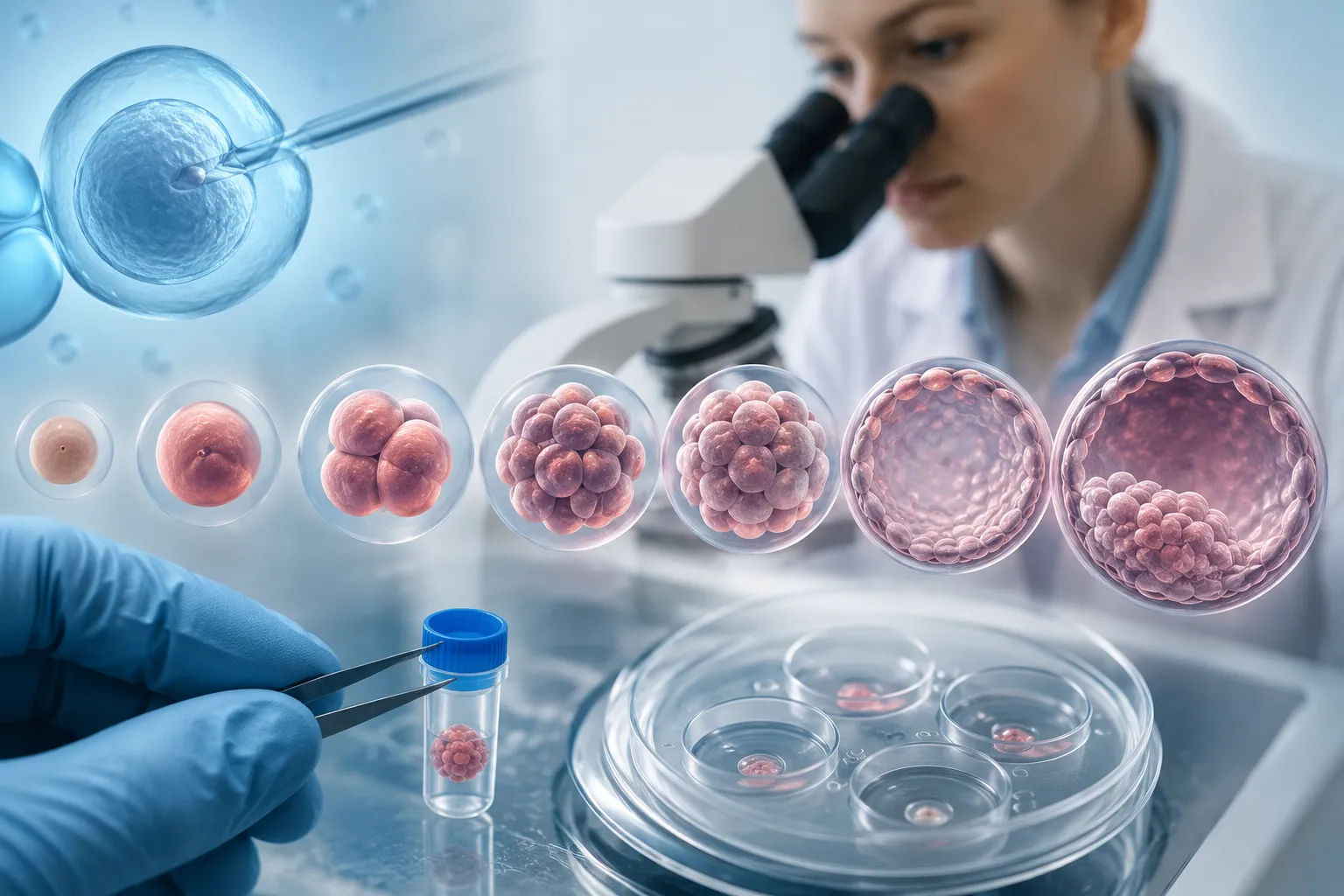




If you’ve been asking yourself, “How do I know if I’m infertile?”, you’re not alone. Many women wonder whether the symptoms they’re experiencing could be signs of a fertility problem. While infertility isn’t always accompanied by obvious symptoms, there are several infertility warning signs that may indicate it’s time to seek medical advice.
The good news is that experiencing one or more of these symptoms doesn’t automatically mean you’re infertile. However, recognizing the early signs of infertility can help you seek timely fertility testing, receive an accurate infertility diagnosis, and explore effective infertility treatment options.
In this guide, we’ll cover the most common infertility symptoms, when to see a fertility specialist, and what steps you can take to protect your fertility health and overall reproductive health.
Table of Contents
What is Infertility?
Infertility is the inability to achieve pregnancy after a period of regular, unprotected intercourse while trying to conceive. According to widely accepted medical guidelines, infertility is generally defined as:
- 12 months of regular, unprotected intercourse for women under 35 years old
- 6 months for women 35 years or older, as fertility naturally declines with age
Infertility is more common than many people realize, affecting millions of individuals and couples worldwide. Although many assume it is primarily a women’s issue, fertility problems affect both men and women at similar rates. In many cases, infertility may involve factors affecting one partner or a combination of both.
Female infertility can result from a variety of conditions, including:
- Ovulation disorders
- Poor egg quality or diminished ovarian reserve
- Blocked or damaged fallopian tubes
- Uterine abnormalities
- Hormonal imbalances
- Endometriosis or other reproductive health conditions
Male infertility is often associated with:
- Low sperm count
- Poor sperm motility (movement)
- Abnormal sperm morphology (shape)
- Other conditions affecting sperm production or function
Recognizing the early signs of infertility and infertility symptoms can help individuals seek an infertility diagnosis sooner. A fertility specialist can perform comprehensive fertility testing to identify underlying causes and recommend personalized infertility treatment options based on each person’s unique fertility health and reproductive health.
This article focuses on female infertility, highlighting the most common infertility warning signs every woman should know. Understanding these symptoms can encourage earlier evaluation, improve treatment opportunities, and help individuals make informed decisions about their fertility journey.
Related Reading: https://www.who.int/news-room/fact-sheets/detail/infertility
📖 Quick Fact
Did you know? Even healthy-looking embryos don’t always implant successfully. A successful pregnancy depends on many factors, including egg quality, sperm quality, embryo health, and the condition of the uterus.
For individuals or couples struggling with infertility—especially when egg quality is a contributing factor—egg donation may offer a higher chance of achieving a successful pregnancy. If you’re exploring your family-building options, egg donation could be a path worth considering. ❤️
How Do I Know If I'm Infertile?
Many women don’t realize they have fertility problems until they begin trying to conceive. In many cases, infertility symptoms can be subtle—or even go unnoticed—for months or years. However, your body may show early signs of infertility long before you’re ready to start a family.
If you’ve been asking yourself, “How do I know if I’m infertile?” or “Am I infertile?”, it’s important to pay attention to changes in your menstrual cycle, ovulation, hormone levels, and overall reproductive health. While these symptoms don’t always mean you have female infertility, they can be early infertility warning signs that deserve medical attention.
Recognizing these symptoms early can lead to a timely infertility diagnosis, allowing you to explore treatment options sooner and improve your chances of a successful pregnancy. A qualified fertility specialist can perform fertility testing to evaluate your ovarian reserve, ovulation, hormone levels, and other factors that may be affecting your fertility health.
Below are six common signs of infertility and infertility symptoms that may indicate an underlying fertility issue. If you recognize one or more of these infertility warning signs, don’t ignore them. Scheduling an evaluation with a fertility specialist is the first step toward understanding your reproductive health and finding the right path to building your family.
2.1 Your Menstrual Cycles Are Irregular
One of the most common infertility symptoms is an irregular menstrual cycle.
Your cycle may be considered irregular if:
- It occurs less than every 21 days
- It occurs more than every 35 days
- It changes dramatically from month to month
- You frequently skip periods
Irregular cycles often indicate ovulation problems, which are among the leading causes of female infertility.
2.2 You Don't Get Your Period at All
Missing periods without pregnancy can be a sign that your ovaries aren’t releasing eggs regularly.
Possible causes include:
- Polyendocrine Metabolic. Ovarian Syndrome (PMOS)
- Premature ovarian insufficiency
- Hormonal imbalances
- Thyroid disorders
- Excessive exercise or weight changes
Absent periods should always be evaluated as part of your reproductive health assessment.
2.3 Your Periods Are Extremely Painful
While mild cramping is common, severe pelvic pain may indicate underlying conditions affecting fertility.
Painful periods can be associated with:
- Endometriosis
- Adenomyosis
- Pelvic adhesions
These conditions may interfere with egg quality, ovulation, or implantation and contribute to fertility problems.
2.4 Heavy or Very Light Menstrual Bleeding
Changes in menstrual flow may reflect hormonal imbalances or structural problems affecting fertility.
Watch for:
- Extremely heavy bleeding
- Spotting between periods
- Very light periods
- Bleeding that lasts unusually long
These changes may be signs that further fertility testing is needed.
2.5 You’ve Had Multiple Miscarriages
Although miscarriage is relatively common, having two or more pregnancy losses may indicate an underlying fertility issue.
Possible causes include:
- Chromosomal abnormalities
- Uterine abnormalities
- Hormonal disorders
- Autoimmune conditions
A comprehensive infertility diagnosis can help identify treatable causes.
2.6 You've Been Diagnosed With PMOS
Polyendocrine Metabolic Ovarian Syndrome (PCOS) is one of the leading causes of female infertility.
Common symptoms include:
- Irregular periods
- Acne
- Excess facial or body hair
- Weight gain
- Difficulty ovulating
The good news is that many women with PMOS successfully become pregnant with appropriate infertility treatment.
Can You Be Infertile Without Any Symptoms
Yes—it’s possible for a woman to have infertility without experiencing any obvious symptoms.
One of the most common misconceptions about female infertility is that it always presents with clear infertility symptoms. In reality, many women with fertility problems have regular menstrual cycles, ovulate normally, and feel healthy until they begin trying to conceive.
Several conditions that affect fertility health may develop silently and remain undetected for years. These include:
- Diminished ovarian reserve
- Blocked fallopian tubes
- Mild endometriosis
- Unexplained infertility
Because these conditions often cause few or no noticeable signs of infertility, many women don’t receive an infertility diagnosis until they experience difficulty becoming pregnant.
For this reason, fertility testing is recommended for women who have been trying to conceive without success. A fertility specialist can evaluate ovarian reserve, hormone levels, ovulation, and other aspects of reproductive health to identify possible causes of infertility.
Early evaluation can lead to a faster infertility diagnosis, more treatment options, and a better understanding of an individual’s fertility health. Even in the absence of symptoms, consulting a fertility specialist can be an important step toward building a family.
If you’re considering egg donation and have any questions about the process or how your body might respond, feel free to reach out to the【Generation Family Network】 professional team. We’re here to help you understand everything clearly and guide you through each step with confidence and care.
When Should You See a Fertility Specialist?
Seeking help early can improve the chances of identifying fertility problems and finding the most effective infertility treatment. While every fertility journey is unique.
Experts generally recommend scheduling an appointment with a fertility specialist under the following circumstances:
- Under age 35: Has been trying to conceive for 12 months without success.
- Age 35 or older: Has been trying to conceive for 6 months without success.
- Experiences irregular, infrequent, or absent menstrual periods.
- Has been diagnosed with PMOS (Polyendocrine Metabolic Ovarian Syndrome) or endometriosis.
- Has experienced recurrent pregnancy loss or multiple miscarriages.
- Experiences severe pelvic pain, especially during menstruation or intercourse.
- Has a history of pelvic inflammatory disease (PID), pelvic infections, or reproductive surgery.
- Has concerns about overall fertility health or other potential signs of infertility.
A fertility specialist can perform comprehensive fertility testing and an infertility diagnosis to evaluate ovarian reserve, ovulation, hormone levels, sperm health (when applicable), and other factors affecting reproductive health.
Early evaluation can lead to earlier intervention, more treatment options, and improved pregnancy outcomes. For anyone concerned about female infertility or experiencing difficulty conceiving, seeking professional guidance sooner rather than later can make a meaningful difference.
Related Reading:ASRM Committee Opinion: Fertility Evaluation of Infertile Women

How Is Infertility Diagnosed?
An accurate infertility diagnosis begins with a comprehensive evaluation by a fertility specialist. Because fertility problems can result from a variety of factors, diagnosing female infertility often requires multiple tests and assessments to identify the underlying cause.
The goal of fertility testing is to evaluate overall reproductive health, determine whether ovulation is occurring normally, assess ovarian reserve, and identify any medical conditions that may affect the ability to conceive.
One of the first steps in an infertility evaluation is a detailed review of the patient’s medical and reproductive history. This information helps the fertility specialist identify possible infertility symptoms and determine which additional tests may be needed.
The doctor may ask about:
- Menstrual cycle patterns and regularity
- Previous pregnancies, miscarriages, or fertility treatments
- Current and past medical conditions
- Medications and lifestyle habits, including smoking, alcohol use, diet, exercise, and stress
- Family history of infertility, early menopause, genetic disorders, or reproductive health conditions
A thorough medical history provides valuable insights and helps guide the next steps in the infertility diagnosis process, allowing the fertility specialist to develop a personalized evaluation and treatment plan.
5.1 Medical History
One of the first and most important steps in an infertility evaluation is a detailed review of the patient’s medical and reproductive history. This information helps the fertility specialist identify possible infertility symptoms, recognize risk factors, and determine which diagnostic tests are most appropriate.
During the consultation, the doctor may ask about:
- Menstrual cycle patterns, length, and regularity
- Previous pregnancies, miscarriages, ectopic pregnancies, or fertility treatments
- Current and past medical conditions
- Medications and lifestyle habits, including smoking, alcohol use, exercise, diet, and stress levels
- Family history of infertility, early menopause, genetic disorders, or reproductive health conditions
- Previous pelvic surgeries or sexually transmitted infections (STIs)
A thorough medical history provides valuable insights into potential causes of infertility and helps guide the next steps in the infertility diagnosis process.
5.2 Blood Tests
Hormone testing is a key part of fertility testing because hormones regulate ovulation and reproductive function.
Common blood tests include:
- FSH (Follicle-Stimulating Hormone) to evaluate ovarian function
- AMH (Anti-Müllerian Hormone) to estimate ovarian reserve
- LH (Luteinizing Hormone) to assess ovulation
- Estradiol (E2) to evaluate ovarian activity
- Progesterone to confirm ovulation
- Prolactin and thyroid hormone tests to detect hormonal imbalances
These results help fertility specialists better understand hormone function and identify conditions that may interfere with conception.
5.3 Ultrasound
A transvaginal pelvic ultrasound is commonly performed during a fertility evaluation.
This imaging test allows doctors to examine:
- The ovaries
- The uterus
- The endometrial lining
- Antral follicle count (AFC)
Ultrasound can also detect uterine fibroids, ovarian cysts, endometriomas, polyps, or other structural abnormalities that may affect fertility.
5.4 Physical Examination
In many cases, the fertility specialist will perform a physical examination to assess overall health and identify signs of conditions that may affect fertility.
The examination may include evaluating:
- Body mass index (BMI)
- Blood pressure and general health
- Thyroid abnormalities
- Signs of hormonal imbalance, such as acne or excessive facial hair
- Pelvic anatomy
These findings can provide important clues about underlying conditions such as PMOS (Polyendocrine Metabolic Ovarian Syndrome), thyroid disorders, or other hormonal conditions that may contribute to infertility.
5.5 Additional Fertility Testing
Depending on the patient’s medical history and symptoms, additional tests may be recommended, including:
- Genetic carrier screening
- Ovarian function testing
- Endometrial evaluation
- Testing for endometriosis
- Laparoscopy in selected cases
Because infertility often involves both partners, fertility specialists usually recommend a semen analysis as part of a complete infertility evaluation. Since male infertility contributes to approximately half of infertility cases, evaluating sperm count, motility, and morphology is an important step in identifying all possible factors affecting conception.
Related Reading:Infertility: Disparities and Access to Services – ACOG

Why Early Infertility Diagnosis Matters?
For many individuals and couples, pregnancy happens naturally without the need for medical evaluation. However, for those with certain fertility risk factors, undergoing fertility testing before trying to conceive may help identify potential issues early and support informed family-planning decisions.
Early fertility testing can provide valuable information about a person’s fertility health and reproductive health, especially if there is a history of medical conditions known to affect fertility. While routine fertility testing is not necessary for everyone, it may be beneficial for individuals who have:
- PMOS (Polyendocrine Metabolic Ovary Syndrome)
- Endometriosis
- Irregular or absent menstrual periods
- A history of pelvic inflammatory disease (PID) or pelvic infections
- Previous pelvic or reproductive surgery
- Recurrent pregnancy loss or multiple miscarriages
- A family history of early menopause or infertility
- Concerns about age-related fertility decline
A fertility specialist may recommend several types of fertility tests, including hormone testing such as AMH (Anti-Müllerian Hormone) and FSH (Follicle-Stimulating Hormone), an antral follicle count (AFC) ultrasound to assess ovarian reserve, ovulation testing, and imaging studies to evaluate the uterus and fallopian tubes. If a couple is trying to conceive, a semen analysis is also an important part of a comprehensive fertility evaluation, as male infertility contributes to nearly half of infertility cases.
Having these tests before pregnancy is not meant to predict with certainty whether someone will become pregnant. Instead, they help identify possible fertility problems, provide an accurate infertility diagnosis when needed, and allow healthcare providers to recommend personalized next steps.
Early evaluation is particularly valuable because fertility naturally declines with age, especially after age 35. Detecting concerns such as diminished ovarian reserve, ovulation disorders, or structural reproductive conditions early may provide more treatment options and improve future pregnancy planning.
Anyone with concerns about their fertility health or difficulty trying to conceive should consider discussing their individual situation with a qualified fertility specialist. Early fertility testing can offer reassurance, identify potential obstacles, and help create a personalized plan to support a healthy pregnancy and successful family-building journey.
Related Readings: WHO – Infertility Fact Sheet

Frequently Ask Questions
Q1: Am I infertile if my periods are regular?
A1: Not necessarily. Many women with regular periods still experience fertility issues due to blocked fallopian tubes, diminished ovarian reserve, endometriosis, or unexplained infertility.
Q2: At what age does fertility begin to decline?
A2: Female fertility gradually declines after age 30 and more rapidly after age 35 due to a natural decrease in both egg quantity and egg quality.
Q3:What is the first sign of infertility?
A3: The earliest sign is often difficulty becoming pregnant after several months of trying to conceive. Some women also notice irregular periods, absent periods, or hormonal symptoms.
Q4: Can infertility be treated?
A4: Yes. Many causes of infertility are treatable with medication, surgery, assisted reproductive technologies like IVF, or other personalized fertility treatments.
Q5: Is infertility only a woman's problem?
A5: No. Infertility affects both men and women. Male factors contribute to approximately 40–50% of infertility cases, which is why evaluation of both partners is recommended.
Q6:Should I get fertility testing before trying to conceive?
A5:
For individuals planning a pregnancy, preconception fertility testing may be beneficial—especially for those with medical conditions known to affect female fertility and reproductive function. An early fertility assessment can help identify potential reproductive concerns before they become barriers to conception, allowing for earlier intervention and personalized care.
The diagnostic evaluations provide valuable insight into a person’s reproductive potential, helping identify conditions such as diminished ovarian reserve (DOR), anovulation, tubal factor infertility, uterine abnormalities, or hormonal disorders. Early detection allows healthcare providers to develop an individualized fertility management plan and discuss appropriate treatment options when necessary.
Individuals with known reproductive risk factors should consider consulting a fertility specialist or reproductive endocrinologist before trying to conceive. Early preconception evaluation can improve clinical decision-making, support reproductive planning, and optimize the chances of achieving a healthy pregnancy.
Final Thoughts
If you’ve been asking yourself, “How do I know if I’m infertile?” or “Am I infertile?”, remember that infertility is not always accompanied by obvious symptoms. While some women experience clear infertility symptoms or signs of infertility, others may have no noticeable warning signs until they have been trying to conceive without success.
Paying attention to changes in your menstrual cycle, ovulation, pelvic pain, or other changes in your reproductive health can help identify potential fertility problems early. Recognizing these infertility warning signs and seeking medical advice promptly may lead to an earlier infertility diagnosis, giving you more time to explore effective treatment options.
If you have concerns about your fertility health, don’t wait until pregnancy becomes difficult. A qualified fertility specialist can perform comprehensive fertility testing, including hormone evaluations, ovarian reserve testing, ultrasound examinations, and other diagnostic assessments to determine the underlying cause of female infertility and recommend a personalized treatment plan.
The good news is that advances in reproductive medicine have significantly improved the success of infertility treatment. Whether the cause is PMOS, endometriosis, ovulation disorders, diminished ovarian reserve, blocked fallopian tubes, or unexplained infertility, many individuals and couples are able to achieve a healthy pregnancy with the right medical care and support.
Every fertility journey is unique, but early action can make a meaningful difference. If you have been trying to conceive, are experiencing infertility symptoms, or simply want to better understand your fertility, scheduling a consultation with a fertility specialist is an important first step. Prioritizing your reproductive health today can help protect your future fertility, expand your treatment options, and bring you one step closer to achieving your family-building goals.
If you’re considering egg donation and have any questions about the process or how your body might respond, feel free to reach out to the【Generation Family Network】 professional team. We’re here to help you understand everything clearly and guide you through each step with confidence and care.
Experiencing Any of These Signs?
Don’t ignore your concerns or spend hours searching for answers online. If you’re experiencing irregular periods, difficulty conceiving, recurrent miscarriages, or any of the symptoms discussed in this article, reach out to us.